
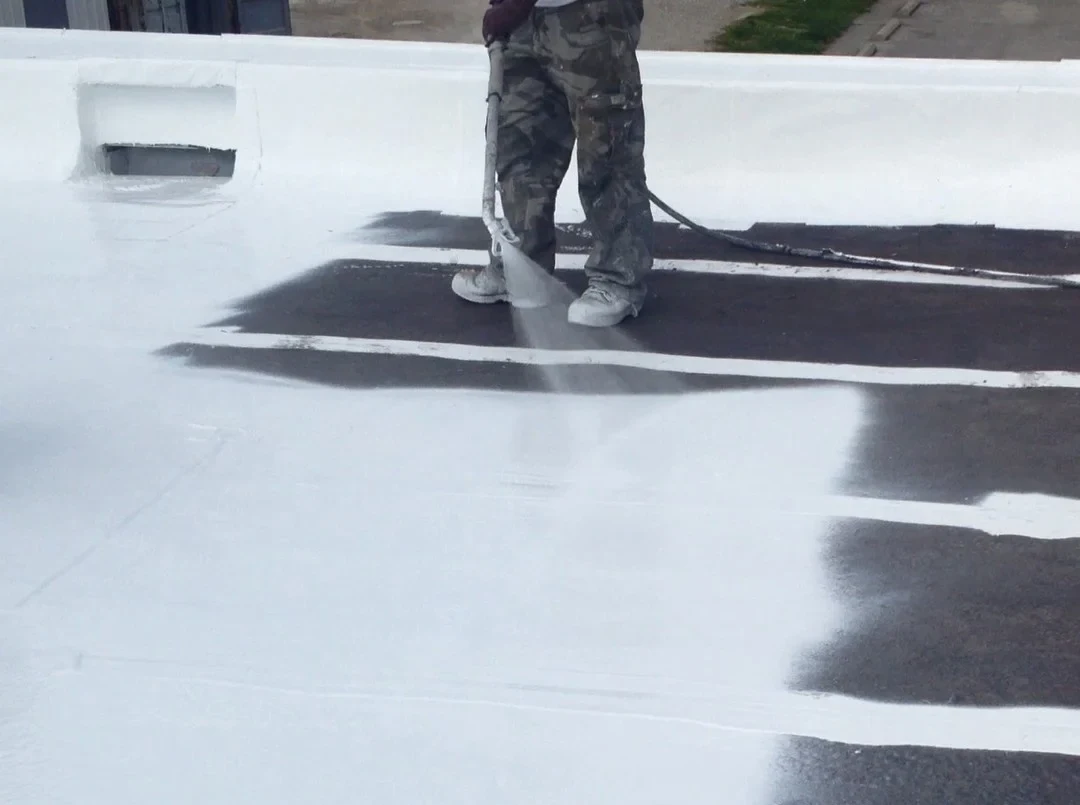
TPO 60 Mil Roofing in Appleton, WI
Where 60-Mil TPO Fits on Fox Valley Roofs
Sixty-mil TPO is the gauge most reroof estimates in Appleton start from. It is the base thickness in nearly every manufacturer's single-ply line, and on the right building it is a sound call rather than just the cheaper line item on the bid.
The Gauge Most Bids Start From
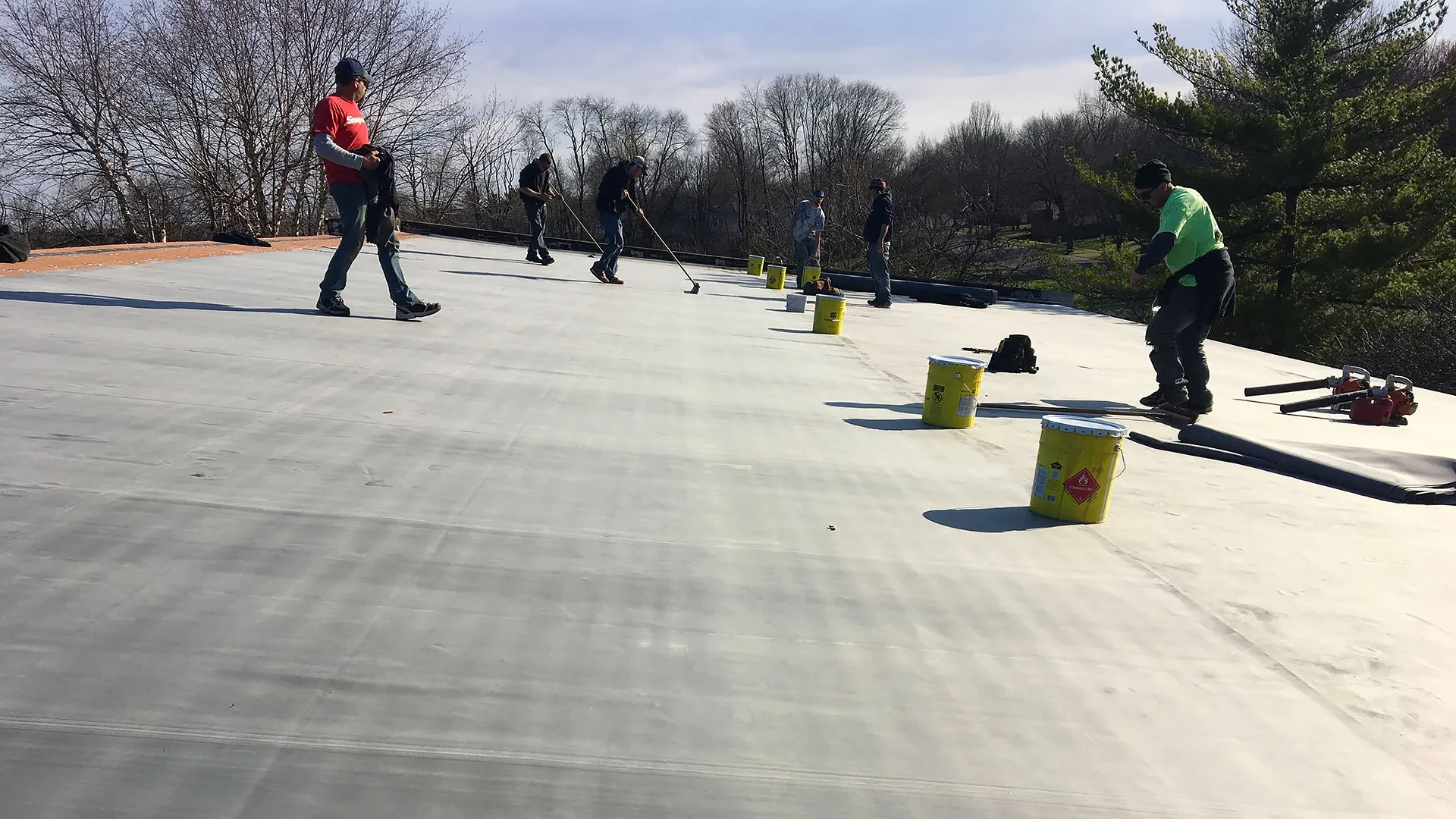
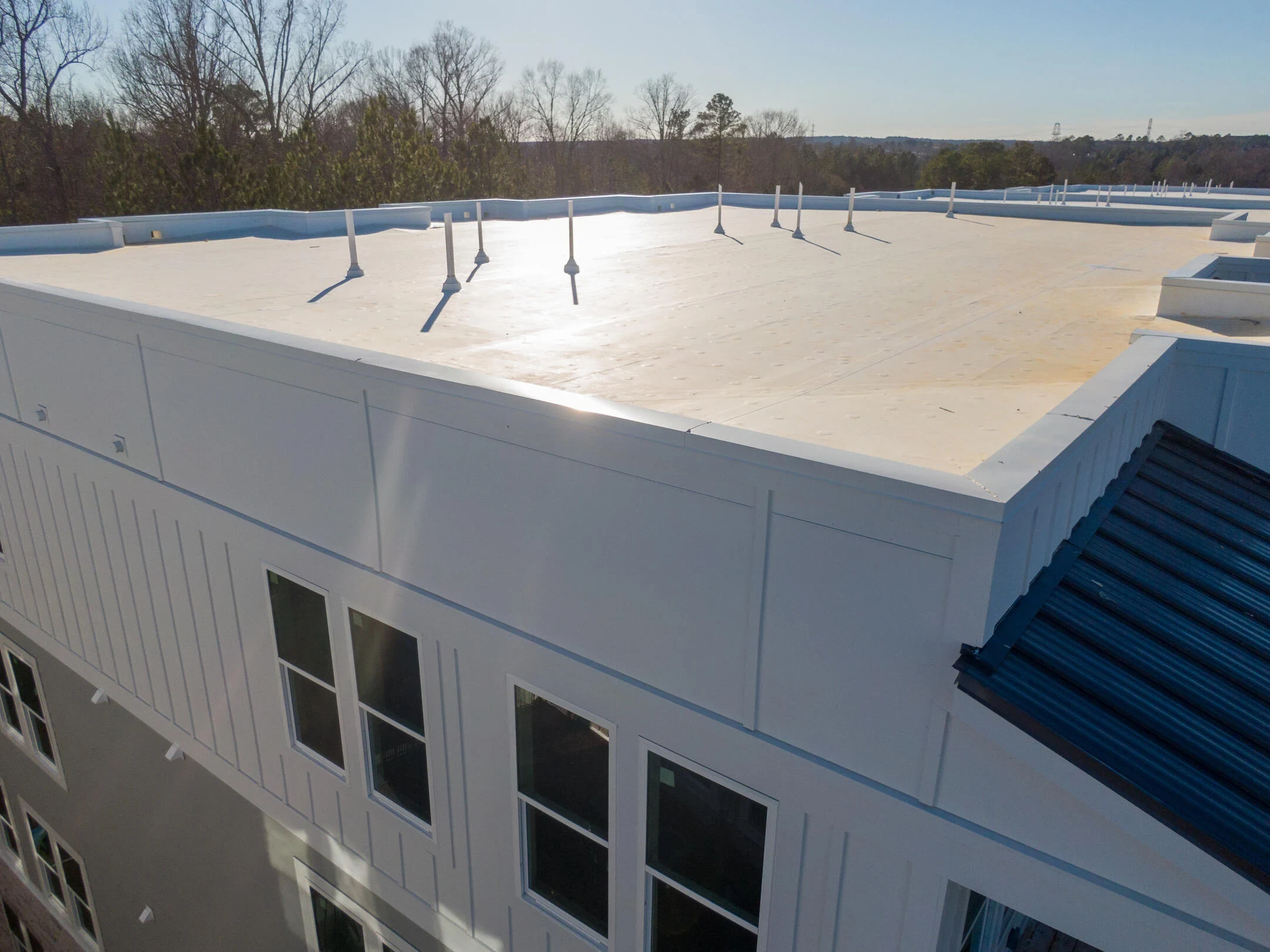
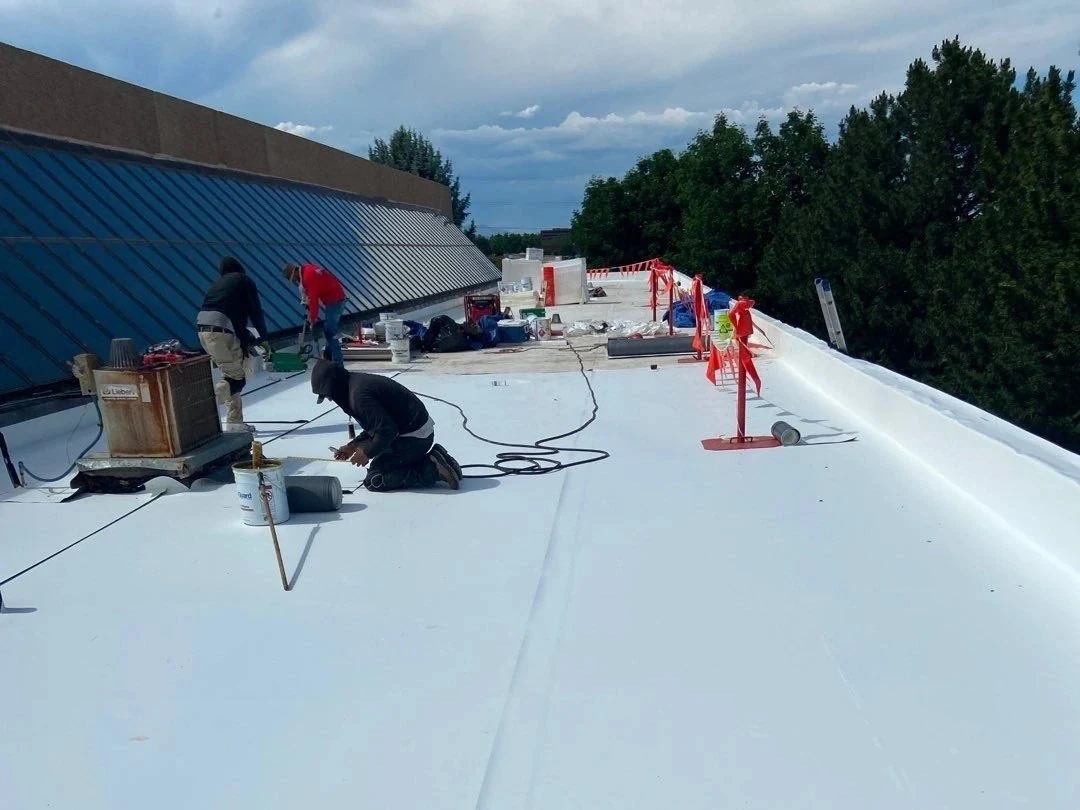
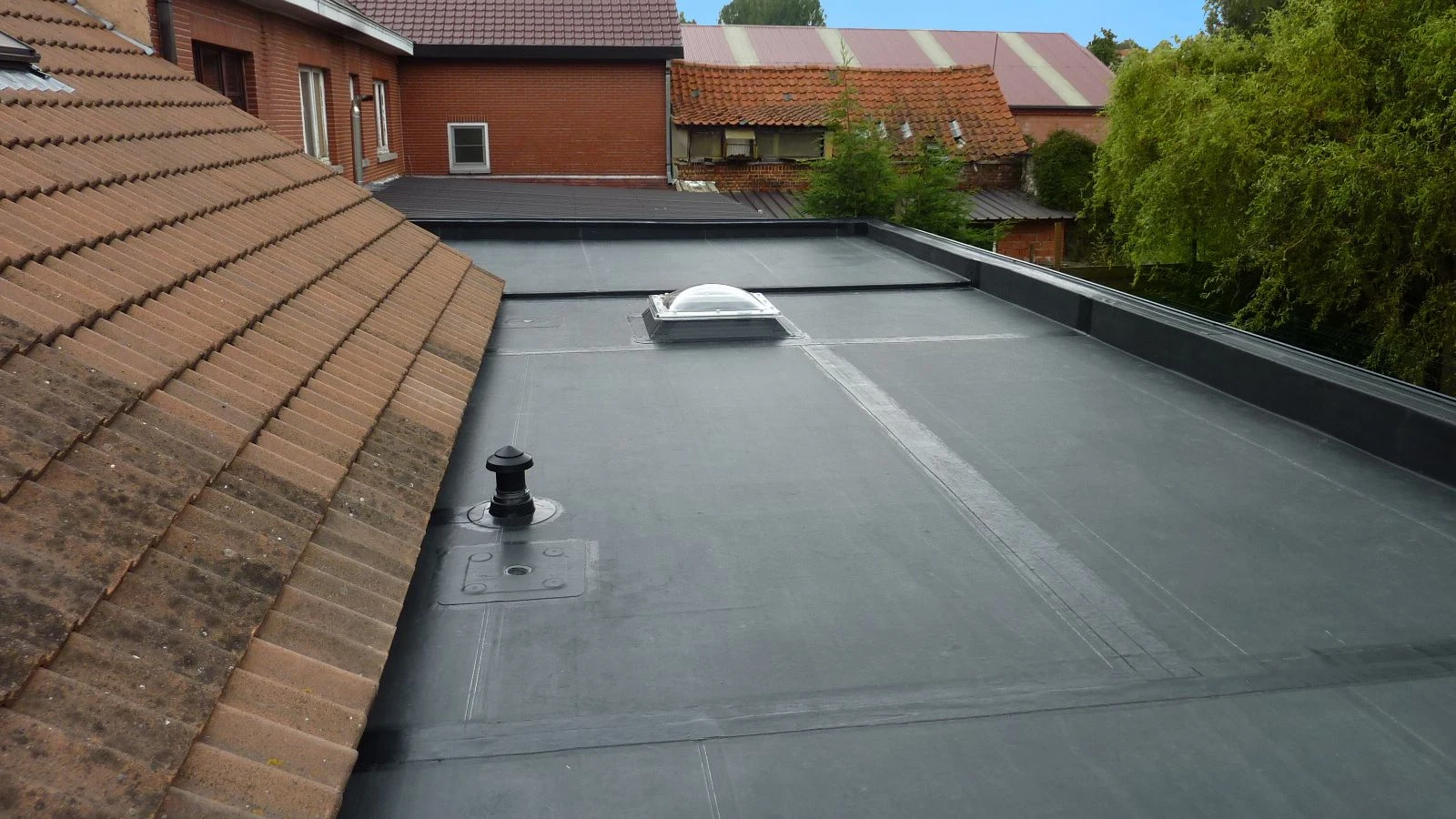
We spec 60-mil TPO most often on roofs with steady, low-frequency foot traffic and adequate slope to a drain or scupper. Retail pads around the Fox River Mall in Grand Chute, single-story office buildings off College Avenue, and strip centers along the US-41 corridor tend to fit that profile. The membrane comes as a wide sheet, hot-air welded at the overlap, and either mechanically fastened through the insulation into the deck or fully adhered depending on what the deck and the wind design pressure allow.
What we will not do is drop 60-mil onto a roof carrying heavy rooftop mechanical loads, frequent service traffic, or a documented history of membrane punctures, and call it savings. The gauge has to match how the roof actually gets used, not simply the square footage on the takeoff.
Fastening Patterns and Wind Uplift Across Open Fox Valley Terrain
Wind uplift design pressure drives the fastening pattern, and the Fox Valley's mix of open farmland edging into built-up commercial corridors around Greenville and Grand Chute means exposure category can shift meaningfully from one parcel to the next. A building sitting near open ground close to Appleton International Airport sees a different uplift calculation than a similar building tucked behind other structures downtown.
For mechanically attached 60-mil systems we work from the fastening pattern the uplift calculation calls for at the field, perimeter, and corner zones, not a single blanket spacing across the whole roof. Corner and perimeter zones typically need tighter plate spacing because that is where negative pressure peaks first in a wind event, and getting that detail wrong is where uplift failures start, not in the field of the roof.
Seam Welding in a Cold-Weather Install Window
Hot-air welding TPO seams requires the membrane surface to sit inside a workable temperature range, and Wisconsin's shoulder-season swings narrow that window more than owners expect. We adjust welder speed and temperature settings as ambient temperature drops, probe every seam with a cotter pin rather than eyeballing it, and sequence the day's welding to keep uncured laps out of the way of overnight temperature drops.
Once a seam is welded and probed clean, ongoing freeze-thaw cycling through a Fox Valley winter is not the risk it is during installation. The membrane stays flexible enough at service temperatures; the exposure window is the install day, not year fifteen of the roof.
Where We Steer Owners Toward the Heavier Gauge Instead
Sixty-mil earns its place on plenty of Fox Valley roofs, but there are conditions where we recommend the 80-mil membrane before the estimate goes out, because the thinner gauge will not hold up to how the building actually operates.
- Roofs serving rooftop units with frequent technician traffic for filter changes and coil cleaning
- Manufacturing buildings where forklifts, ladders, or material staging cross the roof during tenant buildouts
- Sites with a documented history of hail or wind-driven debris damage
- Recover projects going over an uneven existing substrate that will telegraph through a thinner sheet
- Roofs with dense penetration counts from process exhaust, stacks, or solar standoffs
Snow Load, Ballast, and Rooftop Equipment
Ground snow load figures for Outagamie and Winnebago counties run higher than most of the country sees, and that load has to be accounted for before anyone talks membrane. A fully adhered or mechanically attached 60-mil system carries none of the snow load itself, but drift patterns behind parapets, rooftop units, and stair towers concentrate weight in specific zones we walk and mark before winter.
On buildings with heavier snow drift exposure, we look hard at drain capacity and secondary overflow paths before finalizing the membrane spec. A roof that drains slowly under a spring thaw puts standing water on a 60-mil seam far longer than the membrane was designed to tolerate, and that is a drainage problem the gauge choice cannot fix by itself.
Questions Fox Valley Owners Ask About 60-Mil TPO
Is 60-mil TPO strong enough for a Wisconsin winter?
Yes, on roofs with adequate drainage and light traffic. The membrane's cold-weather performance depends more on installation quality and seam integrity than on gauge alone.
Can 60-mil TPO be installed once temperatures drop below freezing?
It can, with adjusted welder settings, more frequent seam probing, and a work sequence that protects uncured laps overnight. We plan winter installs around that schedule rather than rushing them.
Does 60-mil TPO handle the Fox Valley's snow load?
The membrane does not carry structural load; the roof deck and framing do. What we watch for is drift concentration around parapets and rooftop units, and drainage capacity for spring thaw.
How do I know if my building needs 80-mil instead?
Traffic pattern, rooftop equipment density, penetration count, and any history of impact damage all factor in. We walk the roof and check the wind uplift numbers before recommending either gauge.
Does 60-mil TPO work for a recover over existing insulation?
Only if the existing substrate is dry, sound, and reasonably flat. An uneven substrate will telegraph through a 60-mil sheet faster than through a heavier one.