
Commercial Reroofing in Appleton, WI
Planning a Full Roof Replacement in the Fox Cities
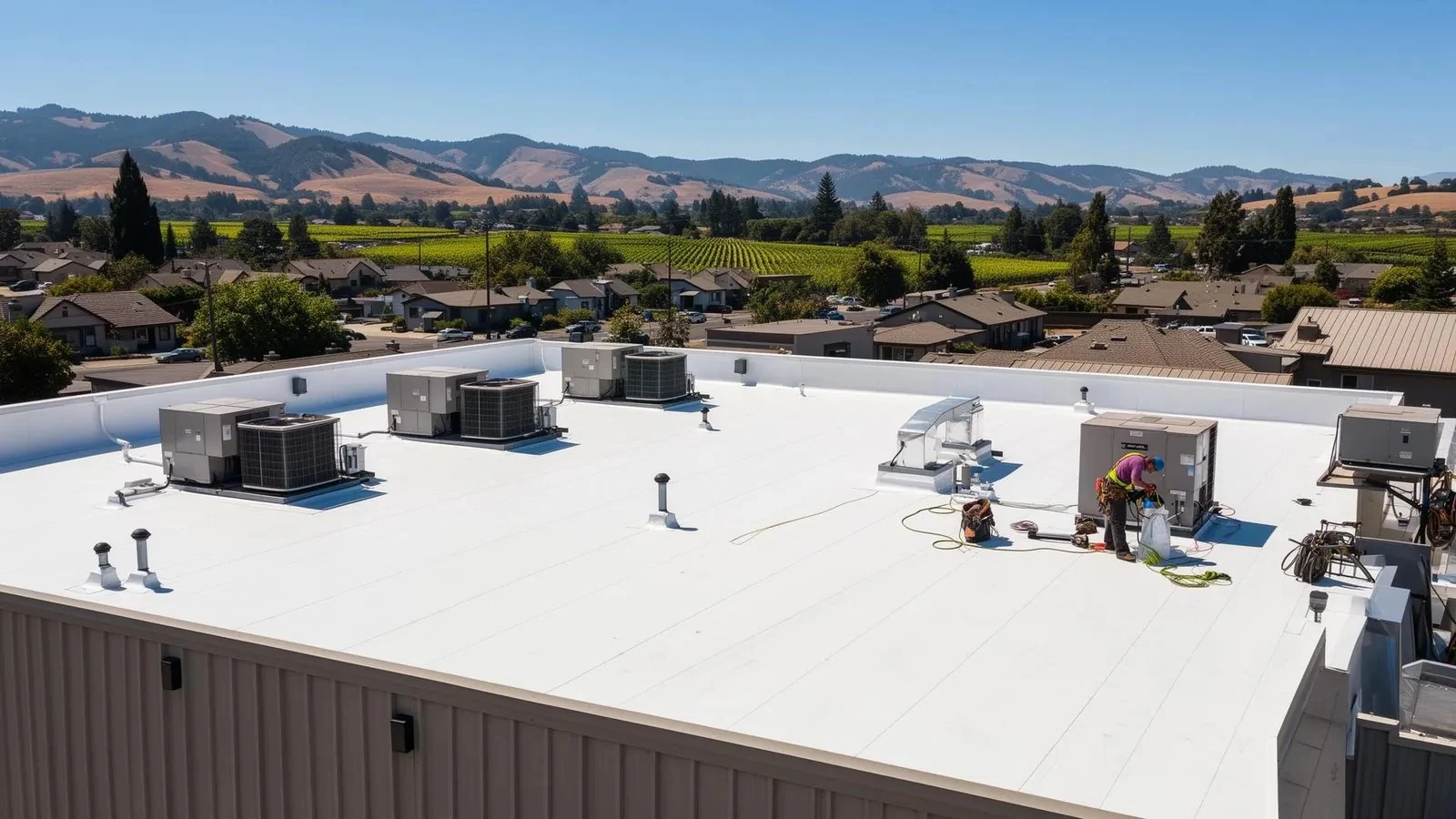
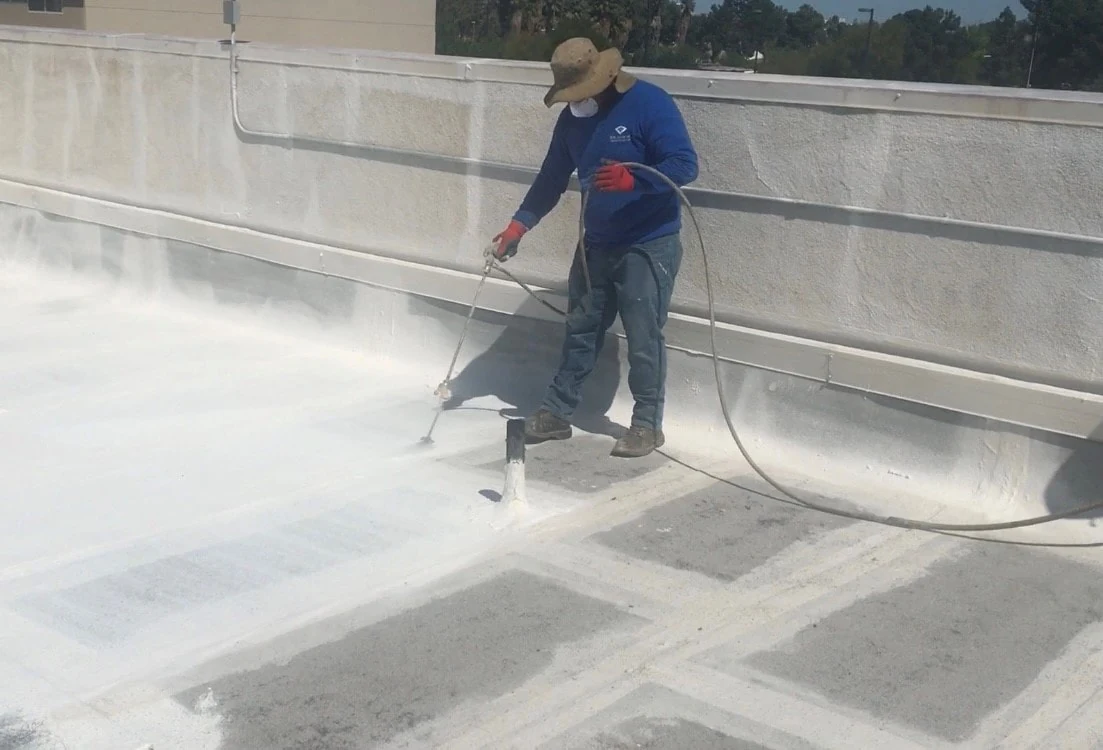
A full reroof is the biggest roofing decision most facility managers make, and it usually starts with one question: recover or tear off. We walk that decision through with owners before we ever talk membrane brand, because getting it wrong at the start costs more than any material choice down the line.
Recover Versus Full Tear-Off on Aging Fox Valley Roofs
A lot of the paper industry buildings along the Fox River corridor in Kaukauna and Kimberly already carry two or three layers of roofing from prior recover jobs, stacked over decades as ownership changed hands. Code limits how many layers can stay in place, and once a roof hits that limit, or once we find wet insulation under the existing membrane, recover is off the table and tear-off is the only honest recommendation.
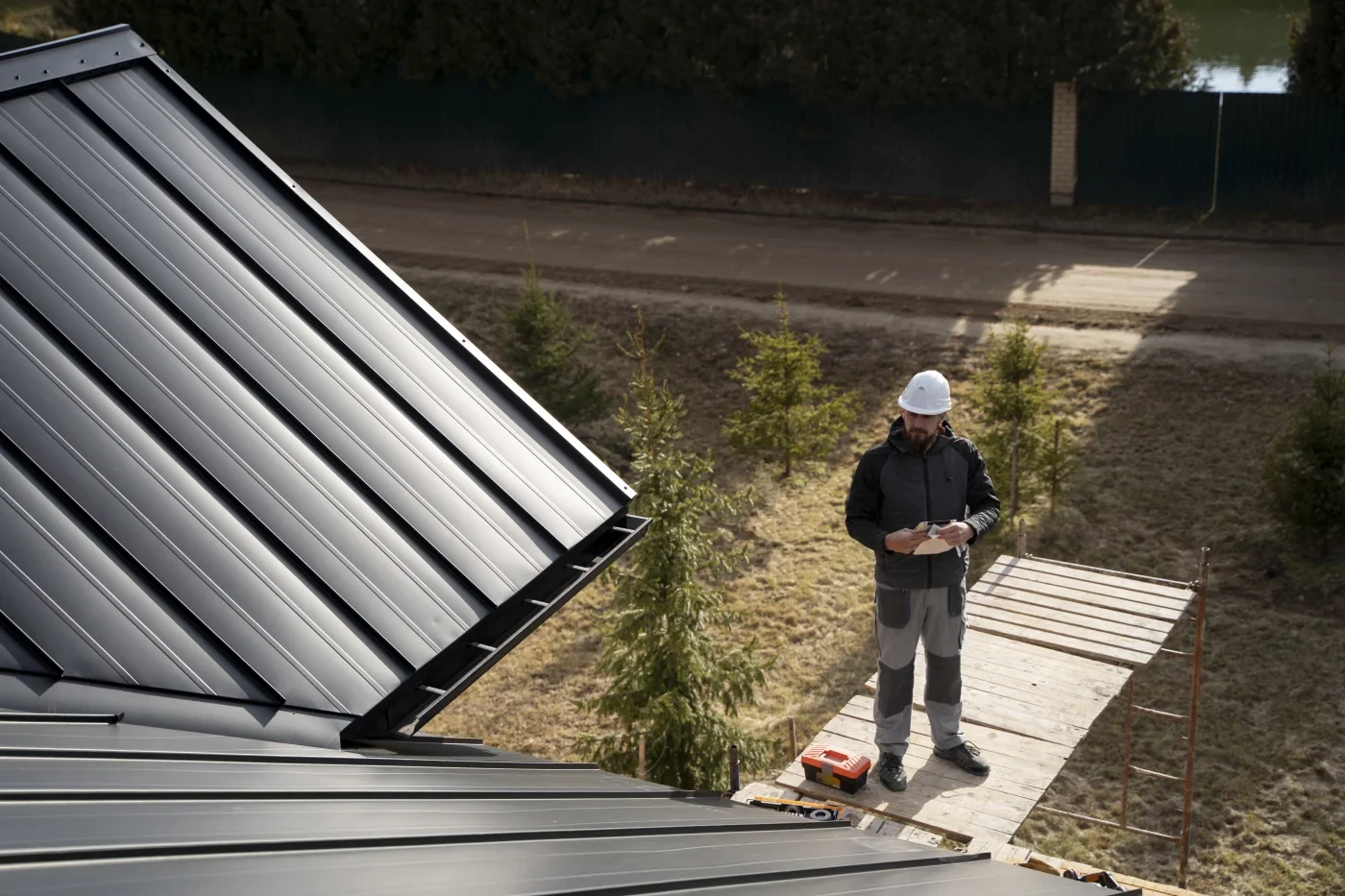
Newer buildings with a single sound membrane layer and dry insulation are better recover candidates, assuming the existing system is compatible with what's going back on top. We core-sample before quoting either direction, because guessing at what's under an existing membrane is how contractors end up eating change orders mid-project.
Scheduling Around Production Lines That Don't Stop
Plants like Oshkosh Corporation's manufacturing facilities and Plexus's electronics operations in Neenah run continuous shifts, and a roof crew working overhead all day isn't something a production manager wants to hear about the week before we start. We phase a tear-off in sections, closing and drying in each zone before opening the next, so there's never a stretch of exposed deck sitting open overnight over an active production floor.
Coordinating crane placement and material staging with a facility's own truck traffic matters as much as the roofing work itself on a site like a Mercury Marine plant in Fond du Lac, where dock access is already tight. We walk the site with facilities staff before scheduling to map out where materials land without blocking operations.
Insulation and Wisconsin's Energy Code on a Full Replacement
Plenty of Fox Cities buildings, especially older paper mill conversions, were insulated decades before current energy code minimums existed. A full tear-off triggers a code review, and in most cases that means adding insulation thickness well beyond what's currently on the roof rather than matching what was there.
We lay polyisocyanurate board in two staggered layers to break thermal bridging at the joints, and where the existing roof has chronic ponding, we use tapered insulation to build slope toward drains rather than just replacing flat board with flat board and leaving the same drainage problem for the next roof.
- Deck inspection and repair before new insulation goes down
- Tapered insulation to correct low spots and chronic ponding
- New membrane matched to building use, foot traffic, and exposure
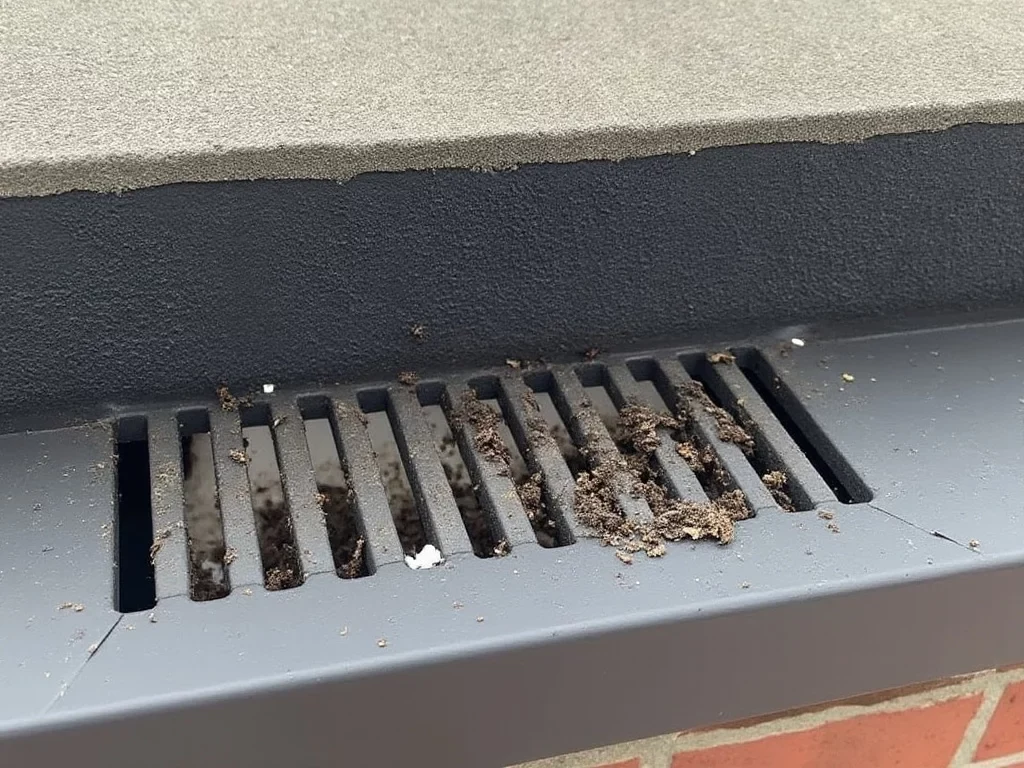
- Edge metal and coping replaced to current wind-uplift standards
- Code-required insulation upgrade documentation for permitting
- Tear-off debris hauled and sorted for recycling where possible
What a Full Tear-Off Reveals About the Deck
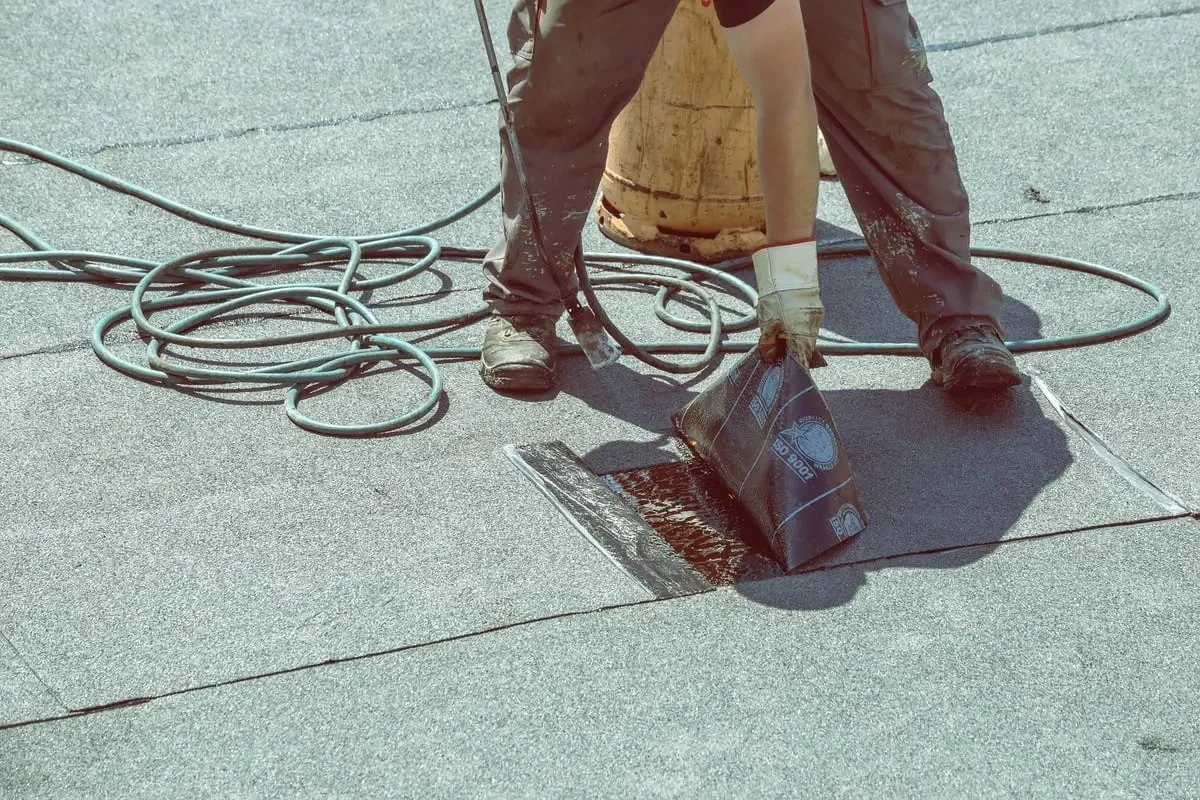
Pulling the old roof off is when the real condition of a building shows up. We've opened decks near downtown Appleton's College Avenue office corridor and found steel flutes rusted through from years of a slow leak nobody had traced, and we've found wood decking on older retail buildings soft enough to walk through in spots. None of that shows up on a surface inspection.
We photograph deck condition section by section as we go and get the owner on a call the same day if we find something that changes scope, rather than making the call ourselves and presenting a surprise invoice later. Deck repair gets priced and approved before we cover it with new insulation.
Timing a Reroof Around Fox Valley Weather Windows
Spring and fall are the workhorse seasons for tear-off here. Summer heat is fine for membrane work but competes with a shorter list of good weather days once you factor in Wisconsin's severe thunderstorm season and the straight-line wind events that come through the Fox Valley most summers.
Winter tear-off is possible but limited, mostly to smaller sections where we can guarantee dry-in before a system moves in off Lake Winnebago. We don't leave open deck exposed overnight during a Wisconsin winter under any circumstance, which means winter reroof scheduling runs tighter and smaller than a spring or fall project.
Reroofing Questions We Hear From Fox Cities Owners
How do you decide if a roof can be recovered instead of replaced?
We core-sample the existing roof to check layer count, insulation moisture, and deck condition. If the numbers come back clean and code allows another layer, recover is usually the more economical route.
How long does a full tear-off take on a mid-size building?
A building in the 30,000 to 60,000 square foot range typically runs two to four weeks depending on phasing needs and weather, longer if deck repair adds unplanned scope.
Can you reroof while our building stays operational?
Yes, that's the normal case for manufacturing and retail buildings. We phase the work in sections and schedule noisy demolition work around shift changes where that matters to the tenant.
Does a full reroof require permits in Appleton?
Most full tear-off and replacement projects do, particularly where insulation thickness or roof weight changes. We handle the permit filing as part of the project scope.
What happens if you find deck damage after the roof's already open?
We stop, photograph the area, and call the owner with a price before covering anything. Deck repair is priced separately from the base reroof scope so there's no ambiguity about what changed.