


Roofing for Property Management Firms in Appleton, WI
Roof Portfolio Planning for Fox Valley Property Managers
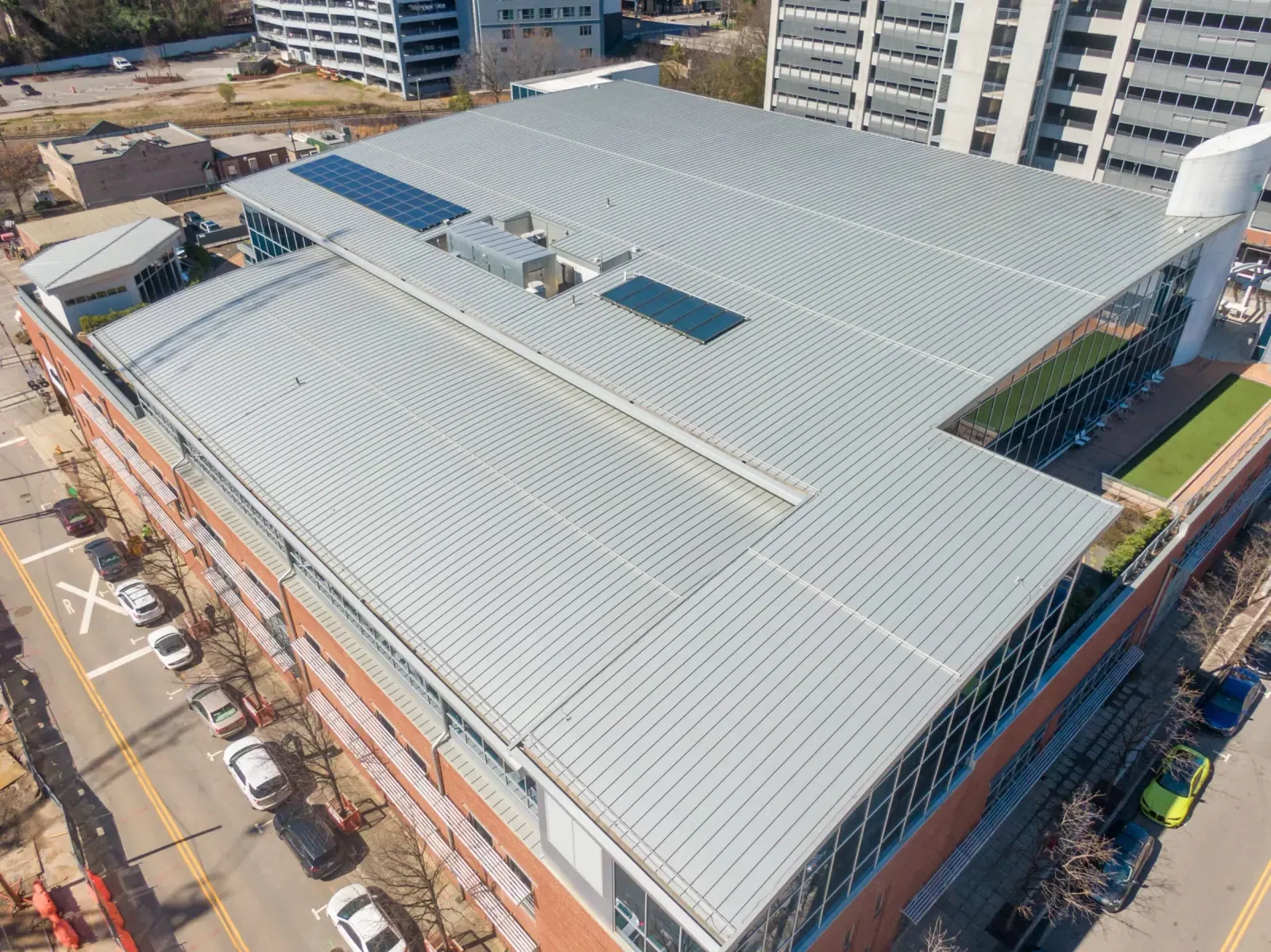
Managing roofs across a mixed portfolio , a College Avenue office building, a retail strip off US-10, a multifamily property on the edge of town , means tracking systems, ages, and warranty status on buildings that were never designed together in the first place. We work with property managers as a standing resource for that tracking, not simply as a crew that shows up after something leaks.
Tracking Roof Age and System Type Across a Portfolio
Most property managers inherit a portfolio with roofs from different eras and different original contractors: an older built-up roof on one building, EPDM installed a decade ago on another, a newer TPO system on the most recent acquisition. Without a running record, it's easy to lose track of which roof is approaching the end of its service life and which one still has years of warranty coverage left. We keep a condition and age record across every property we service so budget conversations start from actual data instead of a guess based on when someone remembers the last visible repair.
Recover Versus Full Tear-Off on an Aging Building
A recover system over sound existing insulation can extend a roof's life at a fraction of a full tear-off's cost, but it only makes sense if the deck and insulation underneath are actually dry and structurally sound. We core-sample before recommending a recover so a property manager isn't sold a cheaper fix that just traps existing moisture problems under a new membrane. On buildings where the insulation is already wet, a full tear-off and replacement ends up cheaper over a ten-year horizon even though the upfront number is higher.
This decision changes the capital reserve conversation. A recover pushes a bigger expense a few years out; a tear-off resets the clock but requires more capital now. We lay out both numbers so the property manager can make that call with the owner rather than us making it for them.
Coordinating Roof Access Around Active Leases
Roof access on an occupied multi-tenant building has to work around whoever's underneath the section being worked on. We schedule noisy phases , tear-off, mechanical fastening , around tenant lease terms where those terms specify quiet hours, and we route material staging and lift access to avoid parking areas tenants rely on during business hours. For a retail strip, that often means working before store hours open or after close, since a blocked customer entrance during a tear-off phase becomes a tenant complaint fast.
Insulation Upgrades and Tenant Utility Complaints
Older roof assemblies with degraded or thin insulation show up as tenant utility complaints long before anyone thinks to check the roof. A building running an R-value well below current code minimums loses conditioned air through the roof deck at a rate that shows up on winter heating bills. When we're already on a roof for repair or recover work, we flag insulation upgrade opportunities that can be built into that same project rather than requiring a separate mobilization later, since insulation added during a recover costs less than a standalone insulation retrofit.
Preventive Maintenance as a Budget-Smoothing Tool
A preventive maintenance program across a portfolio catches small failures , a split seam, a clogged scupper, a loose piece of coping , before they turn into an emergency tarp call and a disrupted tenant. For a property manager reporting to ownership on a fixed maintenance budget, predictable scheduled visits are easier to defend in a budget review than an unplanned emergency repair line item that shows up mid-year with no warning.
What a Portfolio-Wide Roof Survey Covers
- Membrane type, install date, and remaining warranty term for each property
- Insulation R-value and moisture condition where accessible without invasive testing
- Drainage adequacy relative to current roof loading and any ponding history
- Recover eligibility versus tear-off recommendation for each building
- Estimated remaining service life ranked by priority, not by address
- Rough capital budget ranges for the properties needing attention soonest
Property Manager Questions on Roof Budgeting
How do you decide which building in our portfolio gets addressed first?
We rank by actual condition and remaining service life, not by which building happens to be the loudest complaint that month. A roof with active moisture intrusion into insulation moves ahead of one that's cosmetically worn but still performing.
Can you give us multi-year budget numbers instead of one job at a time?
Yes, and for a multi-property portfolio this is usually more useful than a single quote. We'll map out which roofs likely need attention in year one, year three, and year five so it can go into a capital plan ownership actually reviews annually.
What if a recover system was installed years ago by another contractor and it's already failing?
We assess it the same way we would any existing roof: core samples to check the substrate condition, and an honest read on whether another recover is viable or whether the building needs a full tear-off this time. Sometimes a previous recover was installed over insulation that was already compromised, which shortens its effective life.
Do you work directly with our ownership group or only through the property manager?
We're happy to present findings directly to ownership when that's useful, but day-to-day coordination runs through the property manager since that's who's managing tenant relationships and scheduling on the ground.