
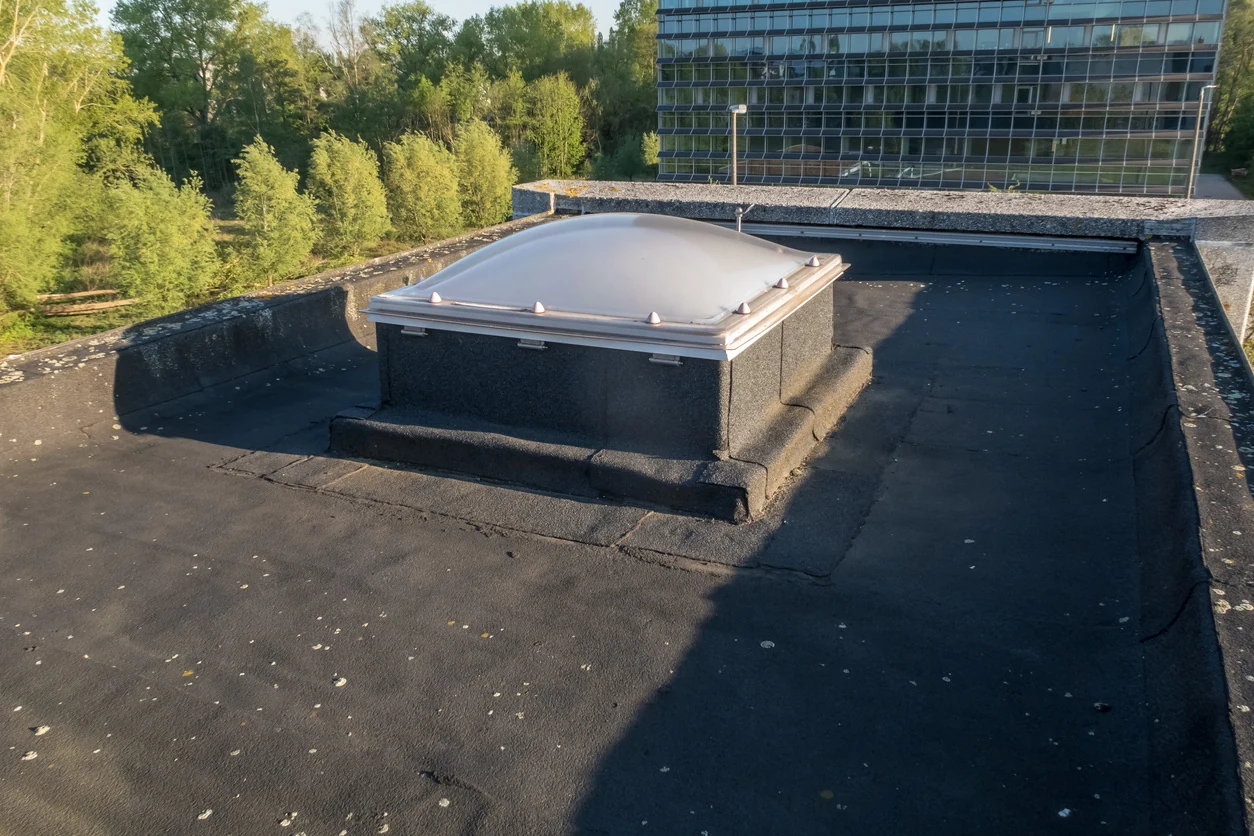
TPO Single-Ply Roofing in Appleton, WI
TPO Membrane Systems for Fox Valley Low-Slope Roofs
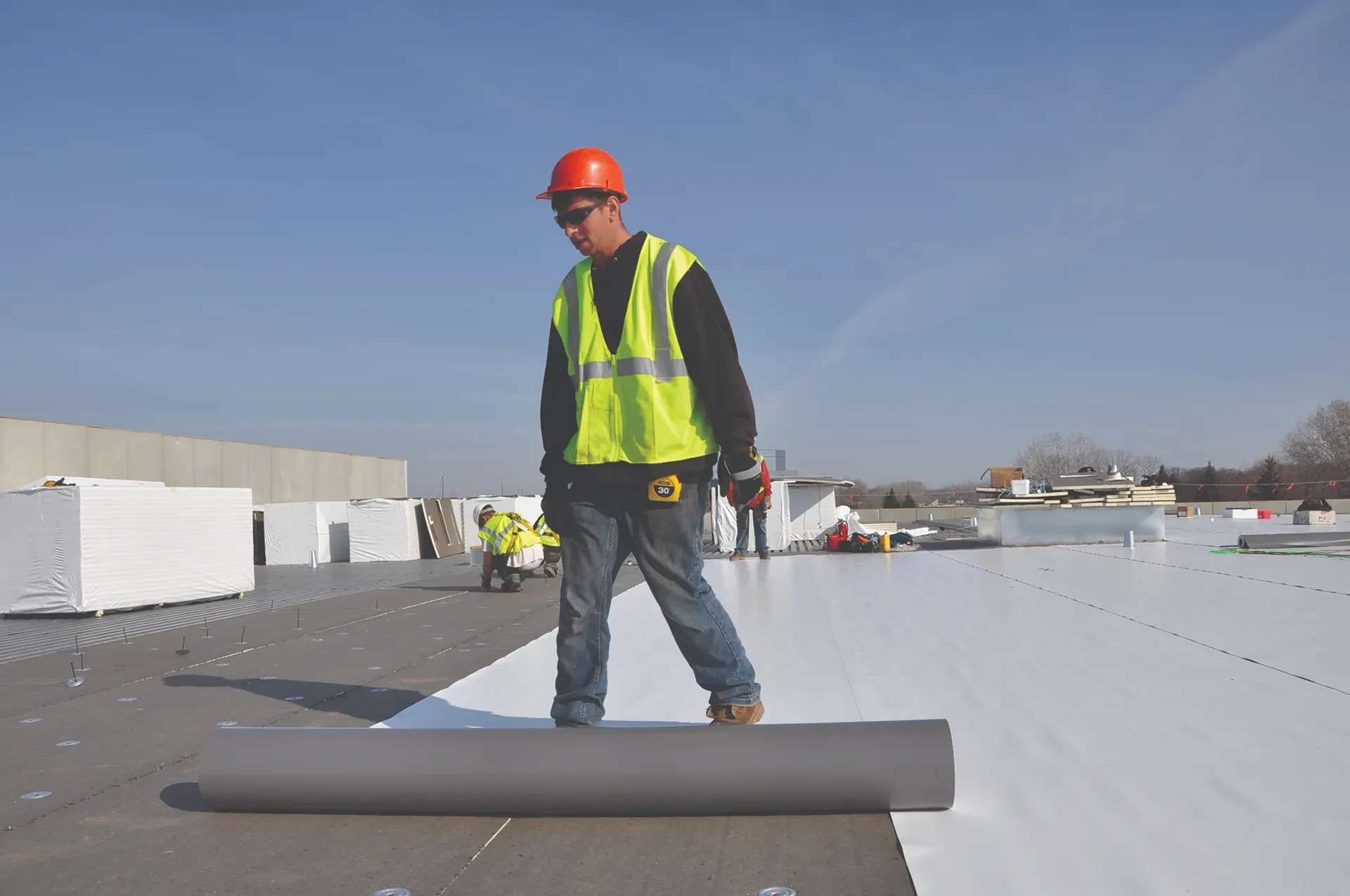
TPO has become the default recommendation on most low-slope replacements we quote in the Fox Cities, and for good reason. It's a thermoplastic membrane that heat-welds at the seams, reflects summer heat off insurance office campuses and warehouse roofs alike, and gives us flexibility in how it gets attached to the deck below.
Mechanically Fastened vs. Fully Adhered on Fox Valley Decks
Most of the steel deck buildings we work on around Grand Chute and Greenville take a mechanically fastened TPO system well, with the fastening pattern sized to the roof's wind uplift zones rather than a single spacing across the whole field. Corner and perimeter zones on a building near the open ground by Appleton International Airport need tighter fastener spacing than the interior field, and we lay that out before the first roll goes down.
Fully adhered TPO gets the call on buildings where fastener penetrations through the deck are a problem, such as concrete deck buildings or roofs over occupied space where noise from mechanical attachment isn't practical during business hours. Adhesive selection has to match the insulation facer, which is where a lot of adhered systems fail early when that step gets rushed.
Membrane Thickness and Where It Matters
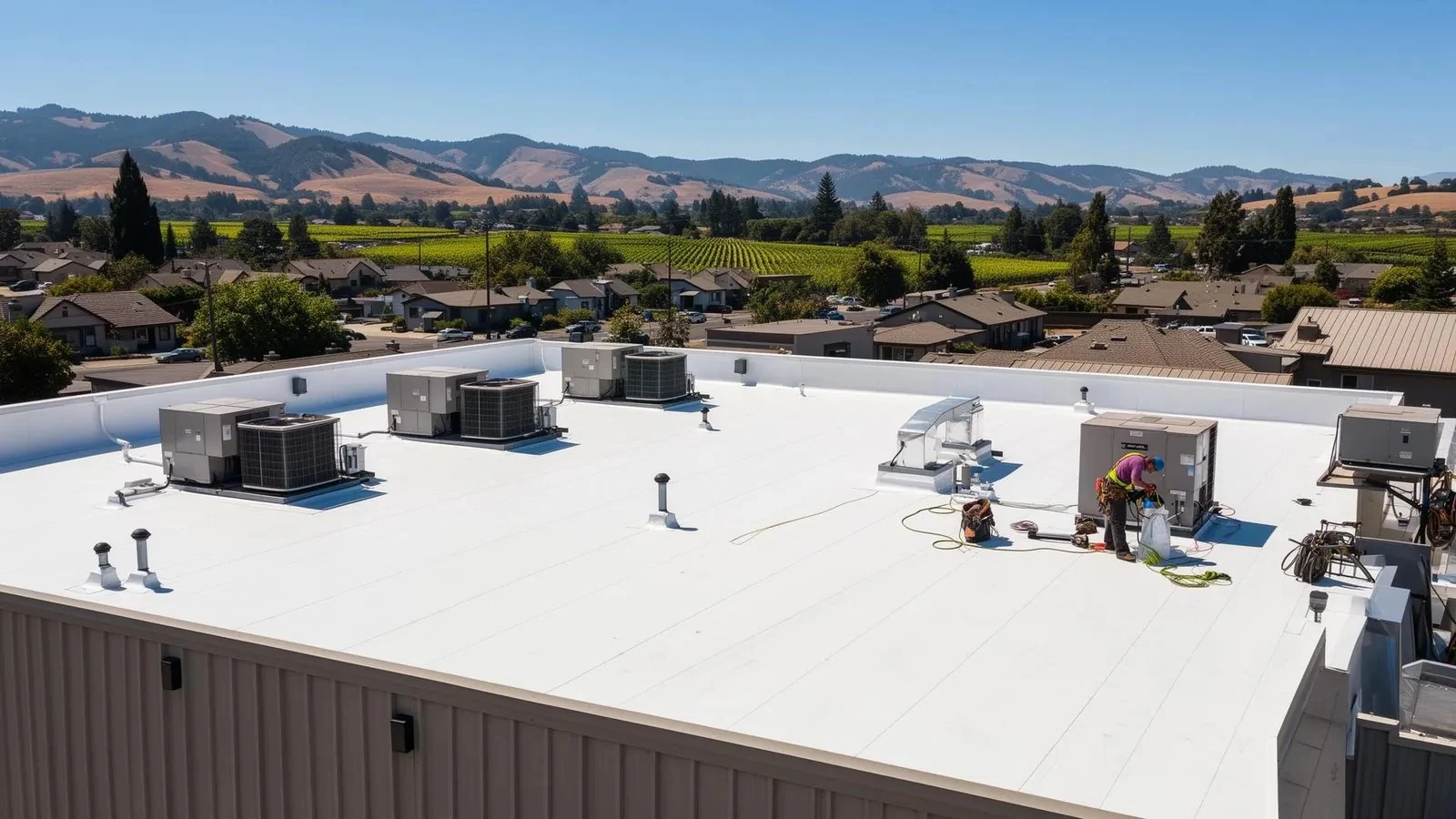
We spec 60-mil TPO on most standard commercial applications and move up to 80-mil on roofs with heavier foot traffic from rooftop mechanical service, or where the membrane is exposed to more abrasion, such as ballasted walkways near HVAC units on office campus roofs. The extra 20 mils isn't cosmetic; it's added wear layer over the reinforcing scrim.
Seam welding quality is the single biggest factor in how a TPO roof performs over ten or fifteen years. We probe every welded seam during installation, not simply at final walkthrough, because a weak weld doesn't show a problem until the membrane has already been exposed to a few freeze-thaw cycles.
Insulation and R-Value Under the Membrane
Wisconsin's energy code sets a minimum R-value for low-slope commercial roofs, and on a full replacement we're often adding insulation thickness beyond what was there originally, especially on paper industry buildings converted decades ago under older energy standards. Polyisocyanurate board is the standard choice, laid in two staggered layers to break thermal bridging at the joints.
On buildings with wet insulation from a failing existing roof, we don't just lay new insulation over the problem. We pull wet board out during tear-off and replace it, because insulation that's already lost R-value from moisture won't recover once it's covered by a new membrane. We've opened up roofs on older office buildings near downtown College Avenue and found insulation that tested at a fraction of its rated R-value after years of a slow, undetected leak.
Where TPO Fits and Where It Doesn't
TPO handles UV exposure and reflects heat well, which suits the large flat-roof footprints common on insurance office campuses and distribution buildings around the Fox Cities. It's less suited to roofs with heavy grease or chemical exposure, such as food processing exhaust areas in Little Chute or New London, where PVC's chemical resistance is the better fit.
- New construction and full tear-off replacement
- Mechanically fastened systems on steel deck buildings
- Fully adhered systems on concrete deck or occupied space below
- 60-mil and 80-mil membrane thicknesses
- Recover applications over compatible existing insulation
- Walkway pad and rooftop equipment curb detailing
Cold-Weather Detailing at Parapets and Penetrations
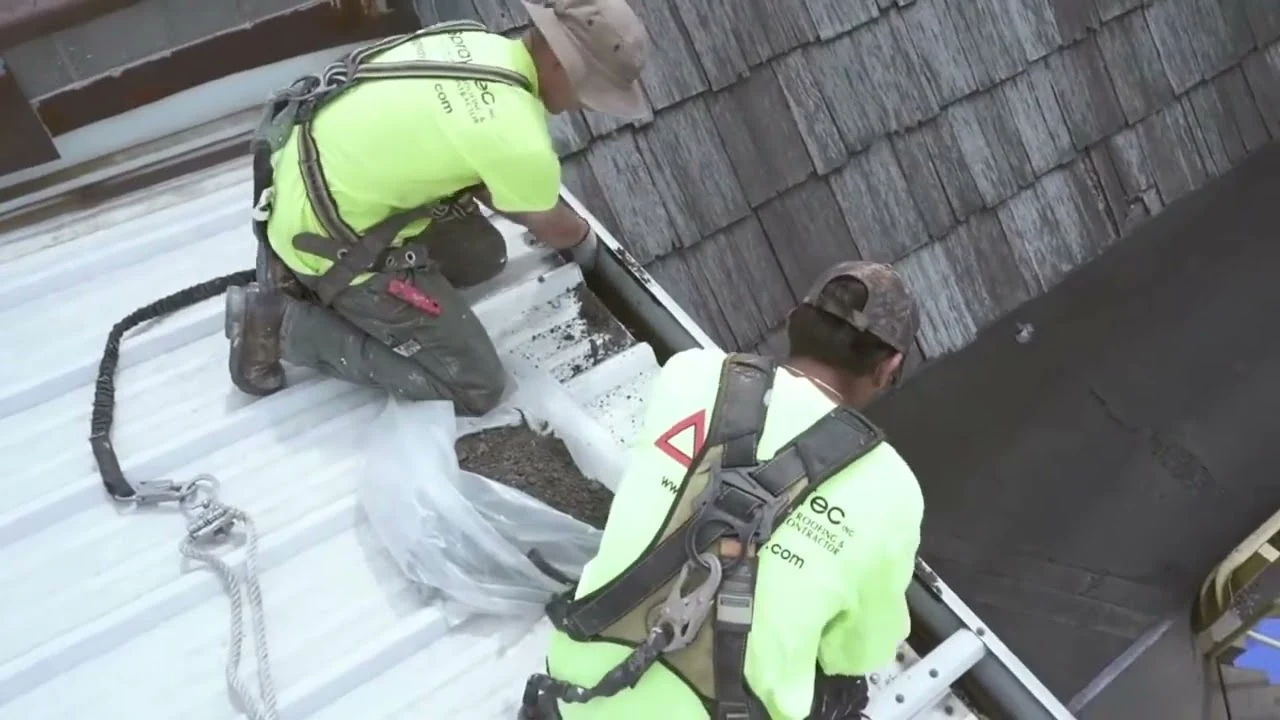
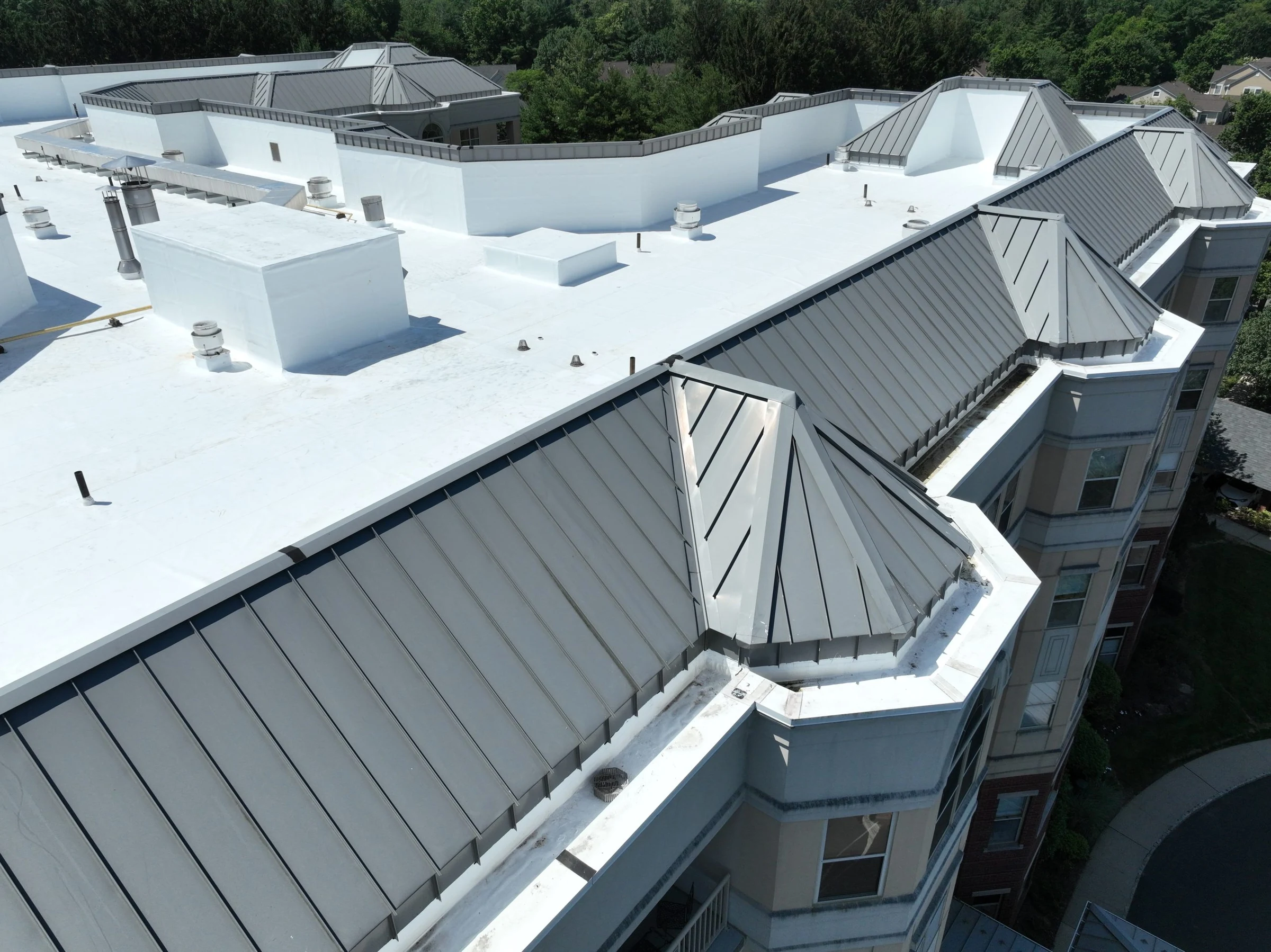
The membrane field on a TPO roof rarely fails first. It's the terminations, the parapet wall flashing, the pipe boots, and the curb corners where freeze-thaw movement finds a weak spot. We detail these areas with pre-formed corners and extra fastening rather than relying on field-cut patches, since a hand-cut corner patch is exactly the kind of detail that opens up after a few winters of expansion and contraction.
Roof edge metal gets similar attention. A loose or under-fastened edge on a building exposed to open wind near the airport corridor or along US-41 is one of the more common causes of membrane pull-off we see on emergency calls after a spring wind event.
Common TPO Questions From Fox Valley Owners
How long does a TPO roof last in this climate?
Most well-installed TPO systems run fifteen to twenty years of service life here, with seam quality and proper drainage design being the biggest factors in whether a roof hits the long end or the short end of that range.
Can TPO go over our existing EPDM roof?
Sometimes, if the existing EPDM is dry, securely attached, and the added weight and height don't create code or drainage problems. We evaluate that during inspection rather than assuming a recover will work on every roof.
Does TPO handle Wisconsin winters differently than warmer climates?
The membrane itself performs consistently across temperature ranges, but cold-weather installation requires different welding parameters and adhesive cure times, which is why we schedule TPO work with weather windows in mind rather than working through hard freezes.
What causes most TPO seam failures you see on service calls?
Under-welded seams from installation, foot traffic damage near rooftop units that was never patched, and standing water sitting on a seam for extended periods are the three most common causes we find.
Do you offer maintenance plans for TPO roofs?
Yes, through scheduled inspections that check seam integrity, drain condition, and flashing before small issues turn into leaks. See our preventive maintenance programs for details, which most owners pair with a biannual walk in spring and fall.