Roof Recover and Overlay Systems in Appleton, WI
New Membrane Recover Systems Over Existing Fox Valley Roofs
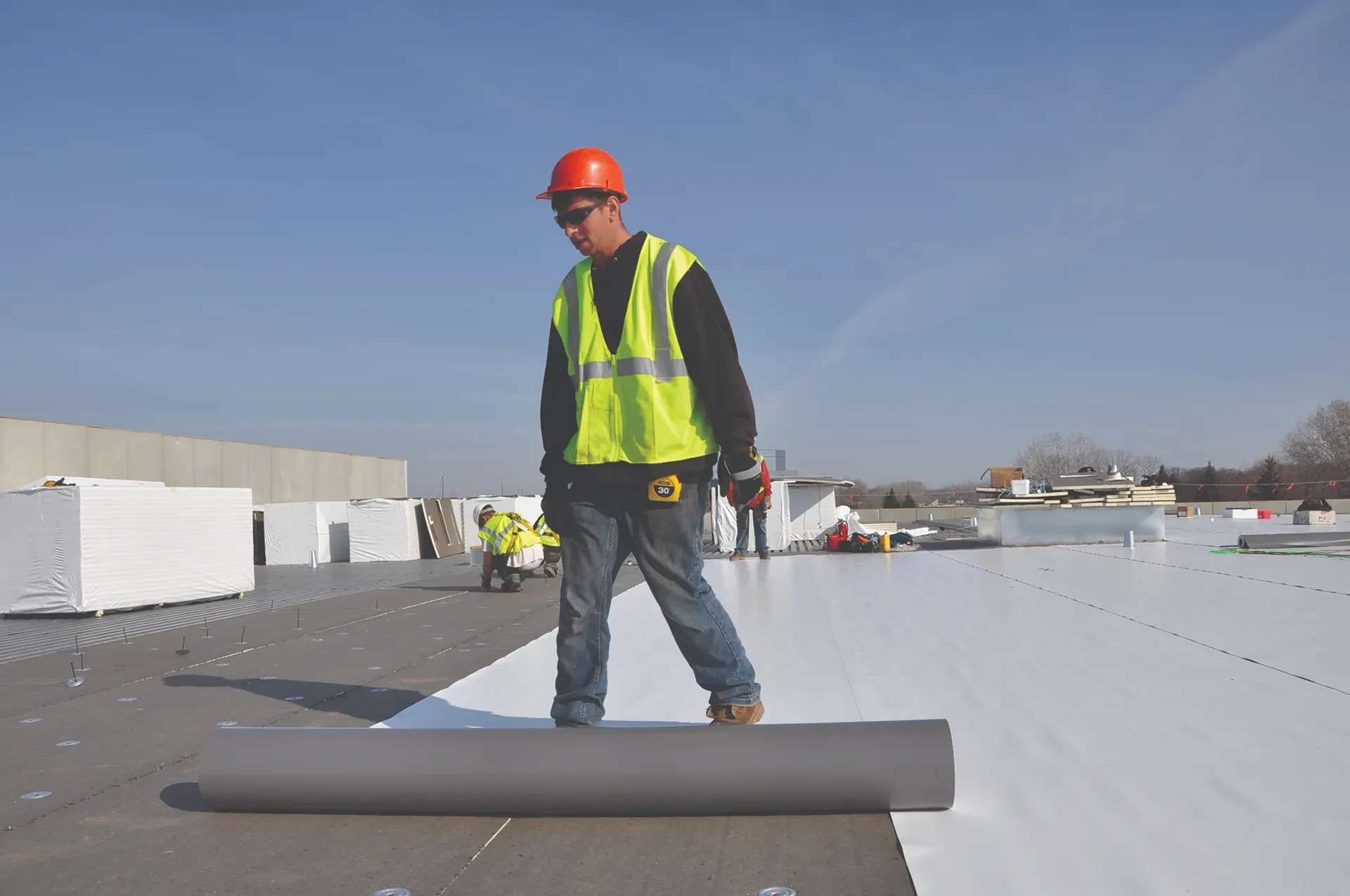
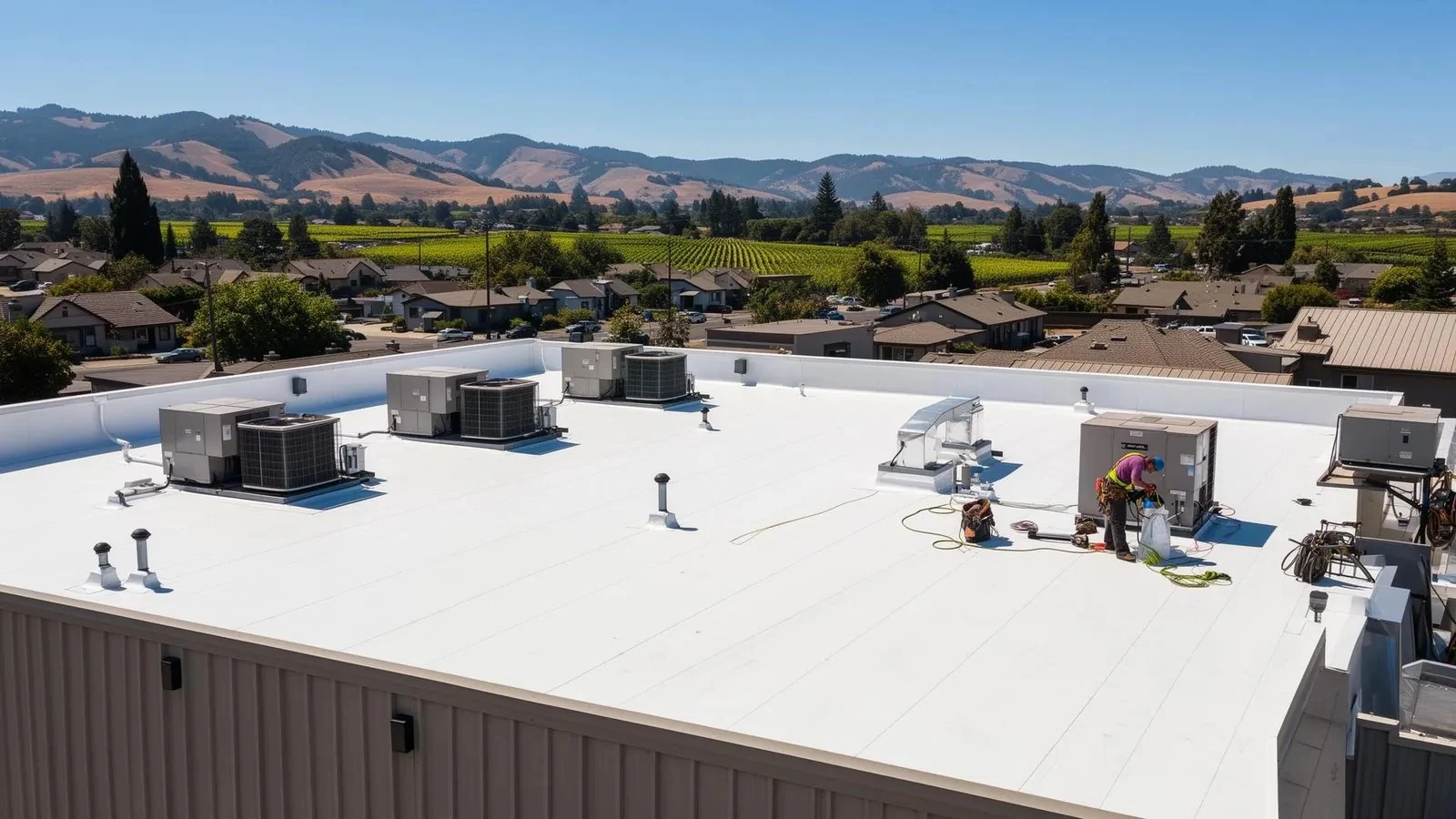
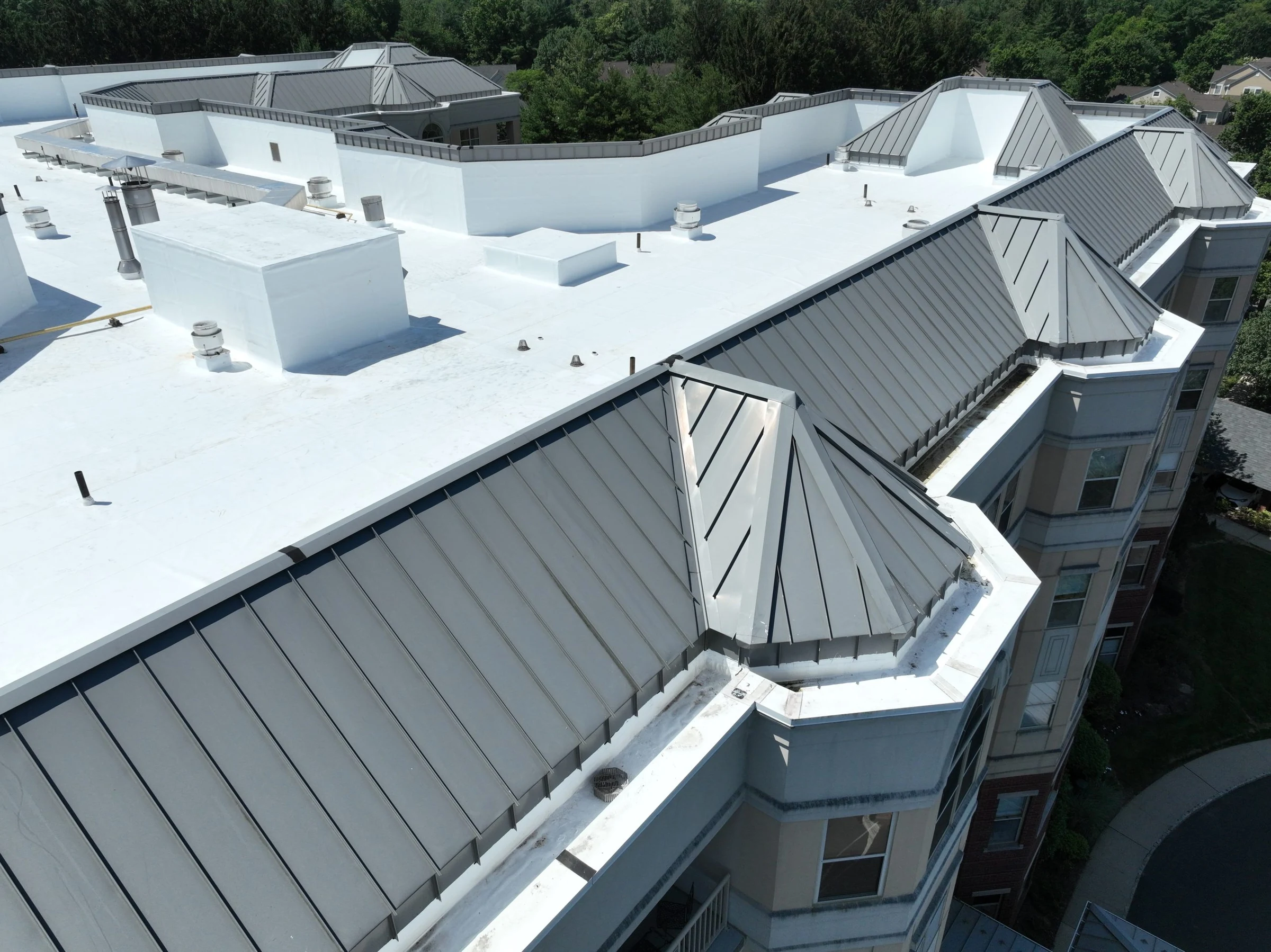
A recover puts a new roofing system directly over an existing one, rather than tearing the old roof off first, and it's a decision we make roof by roof after checking moisture, structural capacity, and code layer limits. On the right building, particularly older manufacturing and mill structures across the Fox River corridor, recover saves an owner real money and keeps the building dry through the project without the disruption of a full tear-off.
When a Recover Beats a Full Tear-Off
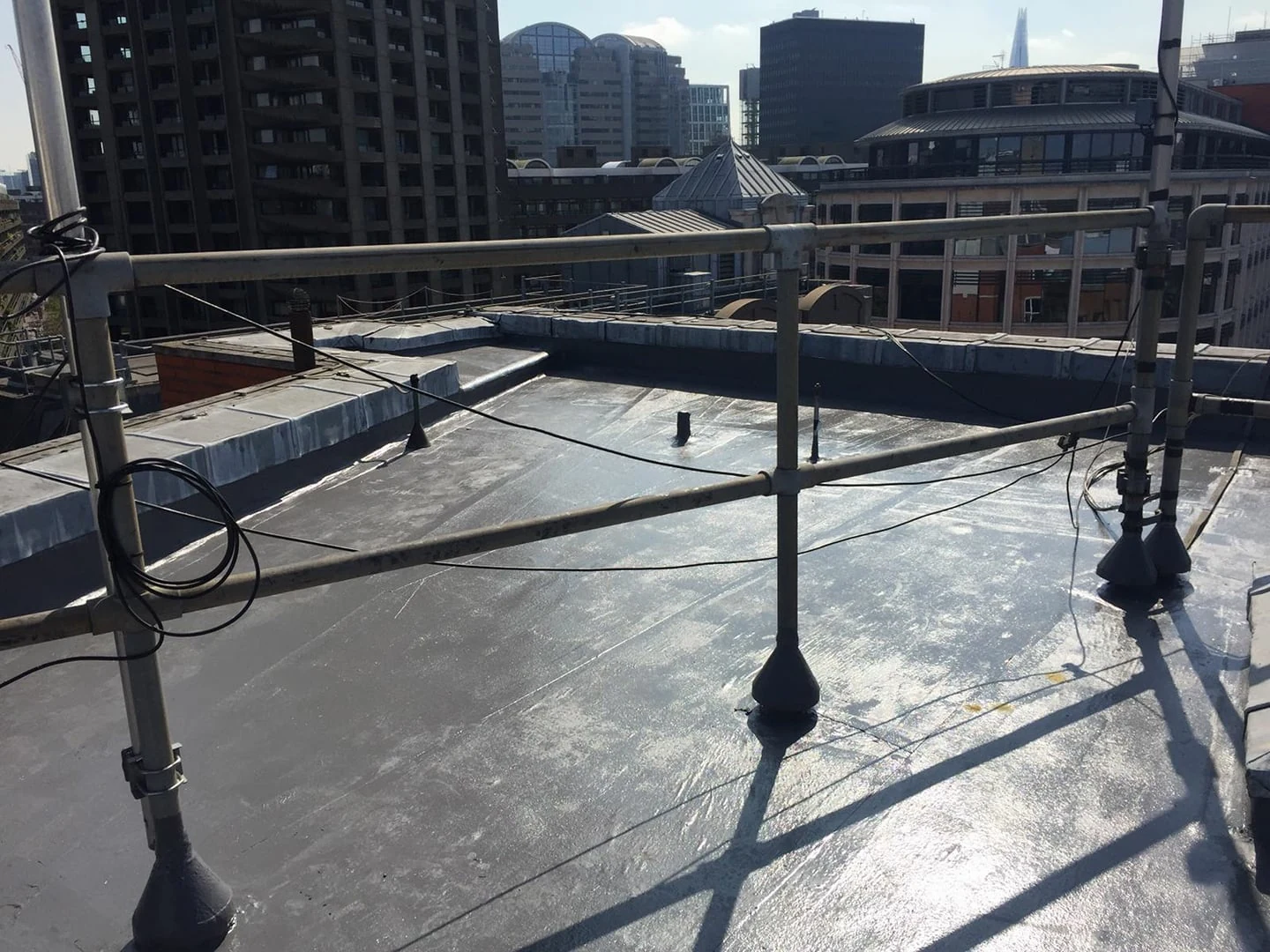
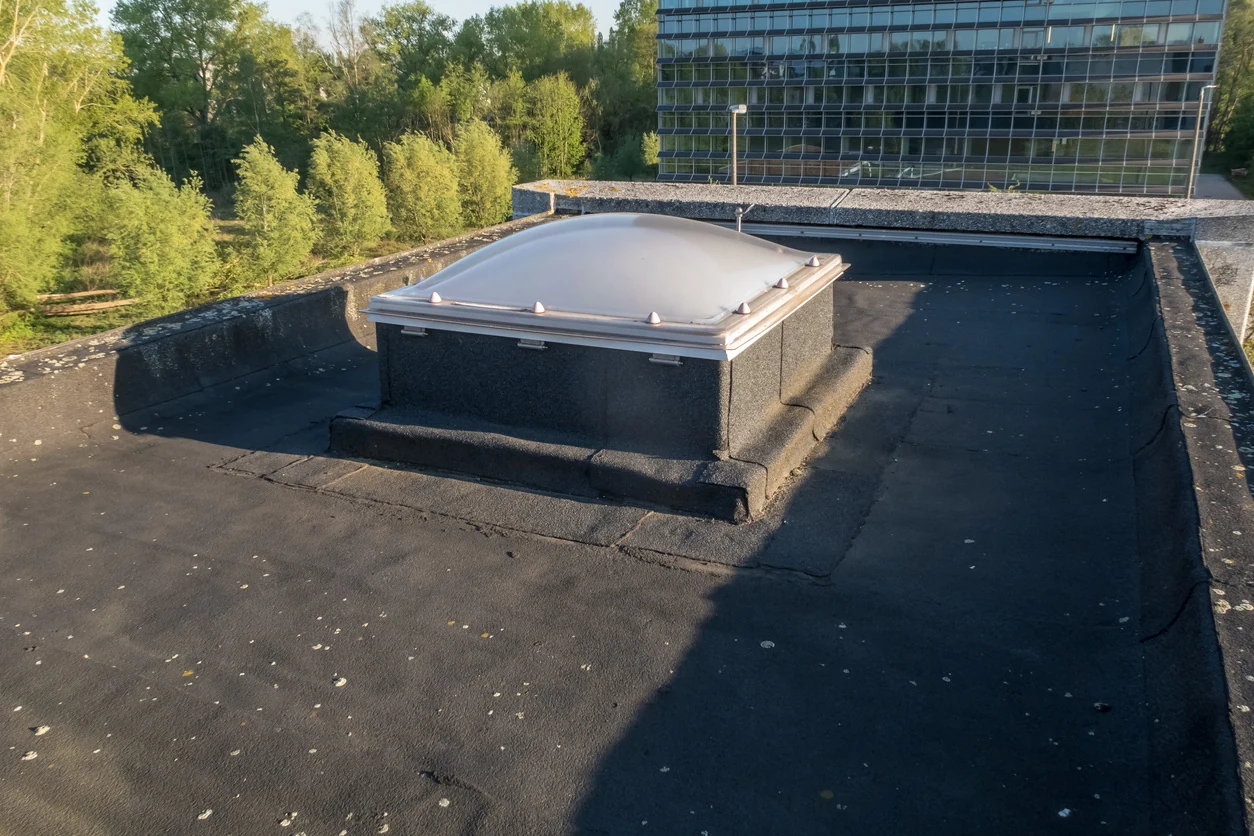
Recover works when the existing roof is dry, structurally sound, and reasonably flat, meaning it doesn't already have significant ponding or deflection that a new layer would just replicate. We see good recover candidates on paper industry buildings in Neenah and Kaukauna with aging BUR or gravel roofs that never developed leaks but have simply reached the end of their surface life, and on manufacturing buildings around Fox Crossing and the US-10 corridor with sound single-ply roofs nearing the end of their warranty term.
It doesn't work on a roof with hidden moisture, extensive ponding, or a deck that's already showing signs of deflection. Covering those problems with a new membrane just hides them under warranty paperwork instead of fixing them, and they resurface as leaks within a few years regardless of how good the new top layer is.
Moisture Scanning Before We Recommend Recover
We scan the existing roof for trapped moisture before quoting a recover, using infrared or nuclear moisture detection depending on the roof type and conditions, then confirm suspect readings with core cuts in a handful of spots. A roof that reads dry across the field is a legitimate recover candidate. A roof with saturated insulation in sections, even where the surface looks fine, needs those areas cut out and replaced before anything goes over the top.
This step matters more on older buildings than owners usually expect. We've scanned roofs on paper mill buildings in Combined Locks that looked uniformly sound from a walk-through and found substantial wet insulation pockets that had been slowly degrading structural capacity for years without a visible interior leak yet.
Tapered Insulation Overlay to Fix Ponding Without Tear-Off
One advantage a recover has over a straight coating is that we can correct drainage problems as part of the install, rather than only cover them. Tapered polyiso insulation boards, cut and laid to build slope toward existing drains, let us eliminate or significantly reduce ponding areas that have been a chronic problem on a flat roof for years, all without touching the structural deck.
- Tapered polyiso boards cut to direct flow toward existing drains
- Crickets built at large rooftop units to route water around obstructions
- Additional drain or scupper installation where existing drainage is undersized
- New membrane system matched to the recovered insulation layer
- Reinforced attachment at parapets and roof edges over the new assembly
Code Limits on Roof Layers and Structural Load
Building code typically caps roofs at two layers before a full tear-off is required, and older Fox Valley buildings that have already had one recover in the past sometimes hit that limit, which forces tear-off even when the existing surface still looks serviceable. We check permit and inspection history where it's available, and when it isn't, we verify layer count directly through core cuts before quoting recover as an option.
Structural load is the other constraint. Adding a new insulation and membrane layer over an existing roof adds real weight, and on older buildings, particularly wood deck structures in the rural parts of our service area, we confirm the framing can carry that added dead load before recommending recover over tear-off and a lighter new system.
Recover Systems We Install Over Existing Roofs
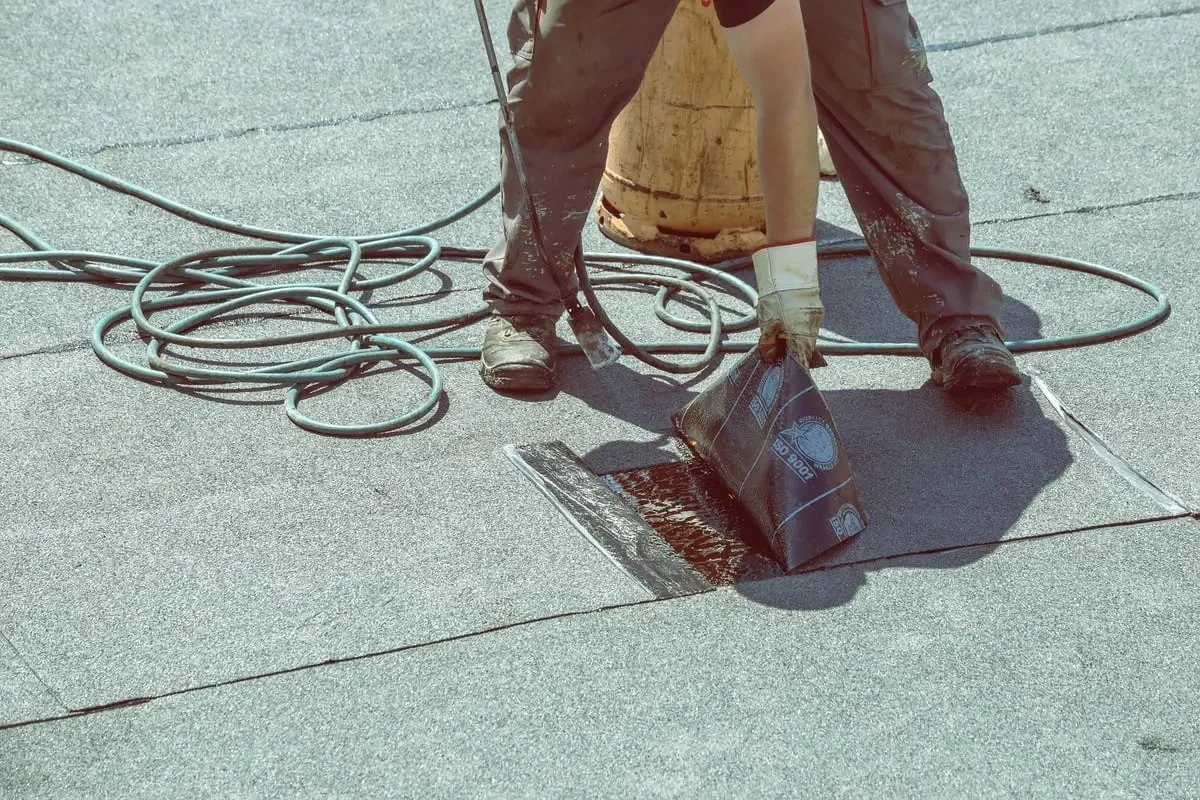
Most of our recover work pairs a new TPO or modified bitumen membrane over tapered insulation on top of an existing BUR, gravel, or aging single-ply roof. See our TPO membrane systems for the most common new top layer we install on Fox Valley recover projects, though the right membrane choice still depends on what's underneath and how the building gets used.
Roof Recover Questions From Fox Valley Property Owners
How do you know if our roof can be recovered instead of torn off?
We check three things: moisture condition through scanning and core cuts, existing layer count against code limits, and structural capacity for added dead load. All three have to check out before we recommend recover.
Does a recover fix ponding water problems, or just cover them?
Done right, it fixes them. Tapered insulation built into the recover assembly redirects water toward drains, which is something a simple coating can't do since it follows the existing roof contour exactly.
How much does recover typically save compared to full tear-off?
It varies by roof condition and size, but avoiding tear-off labor and disposal costs is usually the biggest saving, along with less disruption to operations underneath during the project.
Can you recover a roof that already has two layers on it?
Generally no, since most code jurisdictions cap roofs at two layers before requiring tear-off. We verify actual layer count before quoting, since some buildings have more history than the permit record shows.
What happens if you find wet insulation during the moisture scan?
We cut out and replace the wet sections before installing the recover assembly over the rest of the roof. Covering wet insulation with a new layer just delays the problem and makes it more expensive to fix later.