
Edge Metal, Coping & Gutters in Appleton, WI
Roof Edge Detailing Built for Fox Valley Wind and Ice
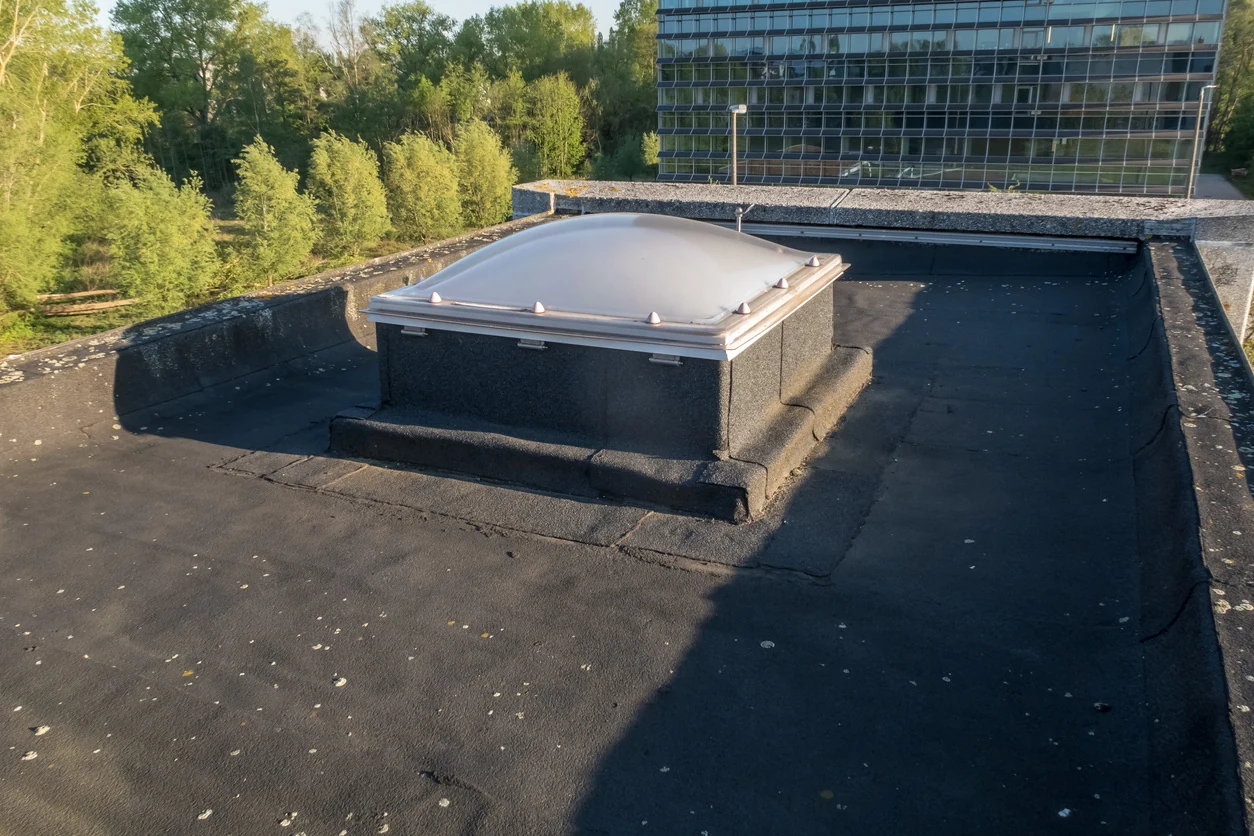
The roof edge takes more punishment than any other part of a low-slope commercial roof. Wind uplift concentrates hardest at the perimeter, ice forms first at the drip edge, and a loose piece of edge metal is one of the more common starting points for a much larger membrane failure. We treat edge detailing as its own discipline, not an afterthought once the field membrane is down.
Why Edge Metal Fails First on Older Fox Valley Roofs
A lot of the edge metal we find on buildings in downtown Appleton and older sections of Grand Chute was fastened to a spacing standard that predates current wind-uplift codes. Fewer fasteners, wider spacing, and thinner gauge metal all add up to an edge detail that was adequate decades ago but isn't rated for the uplift pressures we now design against, especially on buildings exposed to open wind along US-41 or near the airport corridor around Greenville.
Once edge metal starts working loose, even slightly, wind gets underneath it on the next event and the problem accelerates fast. We check fastener spacing and cleat engagement at every inspection specifically because this is a detail that fails gradually until it fails suddenly.
Coping Details on Parapet Walls
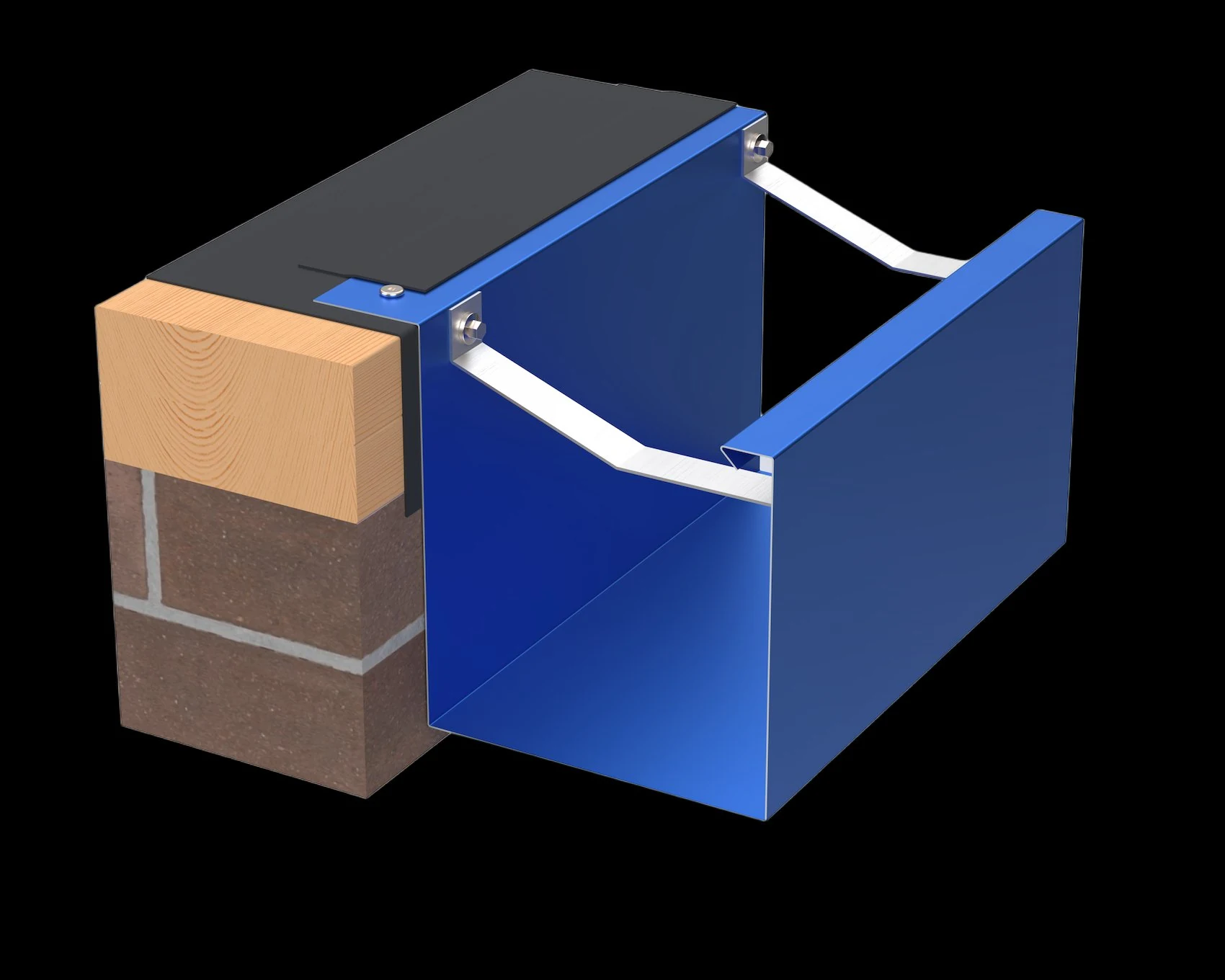
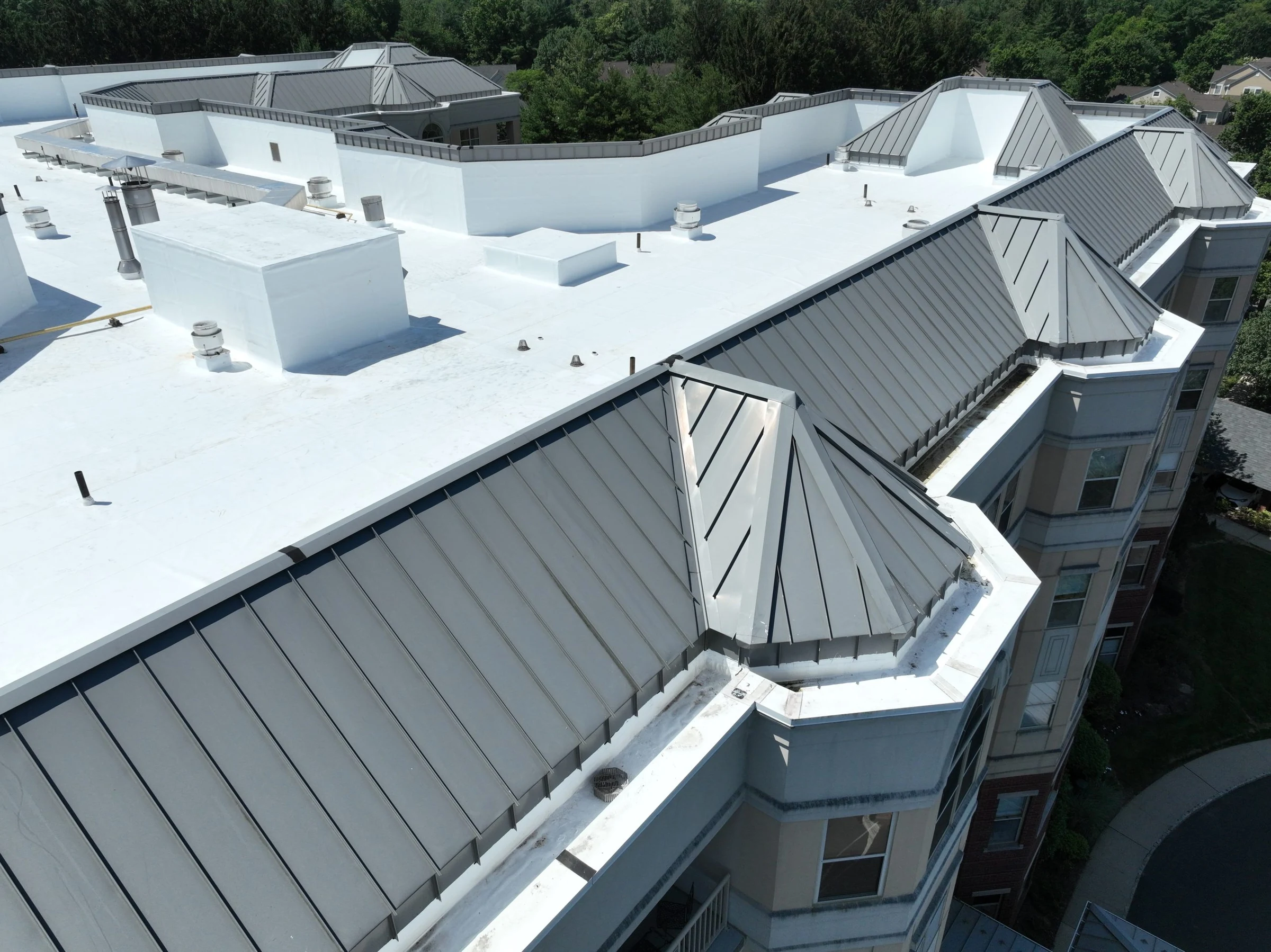
Parapet coping caps the top of a wall and sheds water away from the wall assembly below, and on older paper mill and converting buildings around Kaukauna and Kimberly, coping joints have often loosened after decades of thermal expansion and contraction working the seams apart. A loose coping joint lets water into the wall cavity itself, a different problem than water simply reaching the roof surface, which makes this a different category of issue than a typical membrane leak.
We detail coping with continuous cleats and properly lapped joints rather than face-fastened panels that rely on sealant alone to stay watertight, since sealant is the first thing to fail under repeated freeze-thaw movement.
- Edge metal fastener spacing sized to current wind-uplift zones
- Continuous cleat systems at parapet coping joints
- Gutter and downspout sizing checked against roof drainage area
- Heat cable installation at chronic ice-dam locations
- Fascia and drip edge detailing at low-slope roof perimeters
- Sealant and joint inspection during scheduled maintenance visits
Gutters, Downspouts, and Ice Dam Formation
Gutters on a low-slope commercial roof see a different load than residential gutters, both in volume during a heavy rain event and in the weight of ice that forms when Fox Valley's wet, heavy snow melts off a roof edge and refreezes overnight. Undersized or poorly pitched gutters back water up at the fascia, and that backup is exactly where ice dams get their start once temperatures drop.
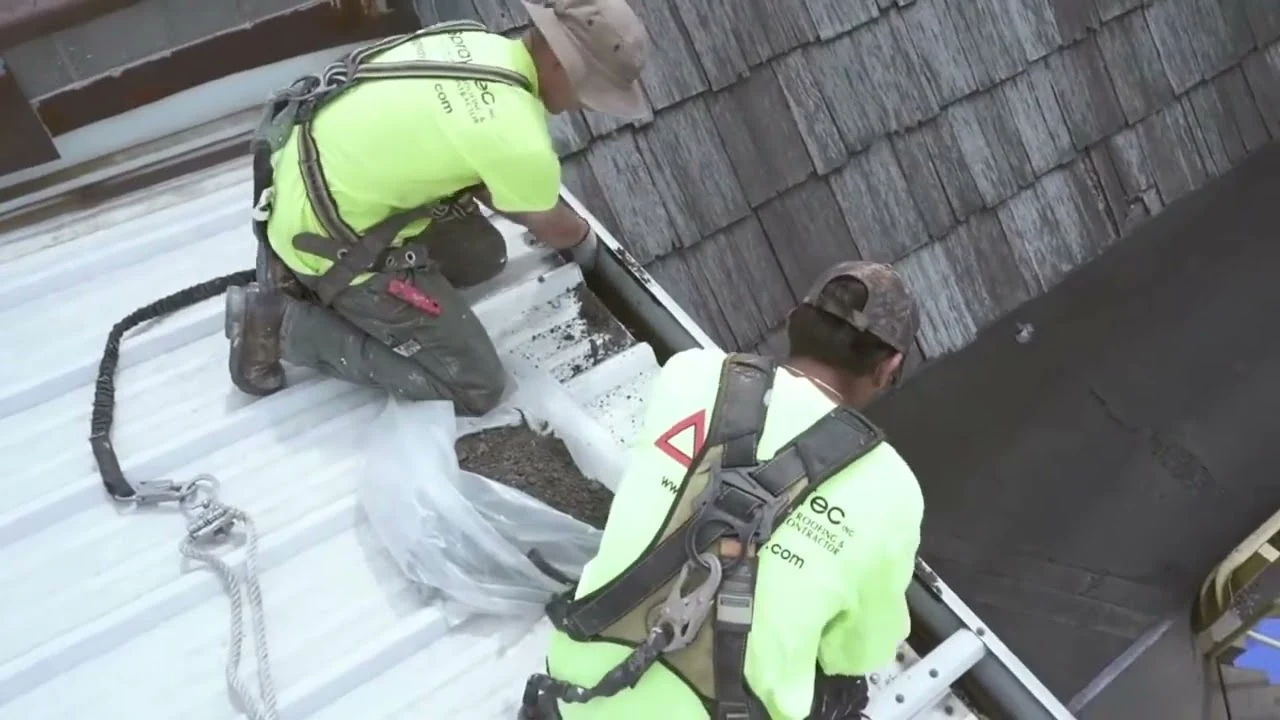
We size gutter and downspout capacity against actual roof drainage area rather than assuming a standard residential-scale gutter will handle commercial roof volume, and we check downspout outlets for ice blockage as part of any winter service call on a building with a history of edge icing.
Heat Cable and Where It Actually Helps
Heat cable at gutters and downspouts has a place on buildings with a documented history of ice dam problems, but it's not a fix for an underlying drainage or insulation issue. We install heat cable as a targeted solution at specific chronic problem points, not as a blanket answer applied to an entire roof edge, since cable that's improperly placed or undersized for the actual ice load gives owners false confidence in a system that isn't solving the real cause.
Wind Uplift Standards for Edge Fastening
Every edge metal replacement or new installation gets specified against the building's actual wind uplift zone calculations, not a generic fastener pattern used across every job regardless of exposure. Corner zones on a building with nothing to break the wind, common on the more open ground toward Greenville and Fox Crossing, need tighter spacing than a sheltered building downtown, and we calculate that difference rather than defaulting to a one-size pattern.
We also match fastener type to the substrate underneath, since a wood nailer that's absorbed years of moisture from a failing membrane doesn't hold a standard fastener the way a dry nailer does. Replacing a rotted nailer as part of edge metal work is common enough on older Fox Cities buildings that we always check it before fastening new metal to what's already there.
Edge Metal and Gutter Questions From Owners
How do I know if our edge metal needs replacing versus just re-fastening?
We check the metal gauge, cleat engagement, and fastener condition during inspection. If the gauge and cleat system are sound, re-fastening to a tighter spacing often solves the problem without full replacement.
Does heat cable actually stop ice dams?
It helps at the specific point where it's installed, keeping a channel open for meltwater to drain, but it doesn't address the interior heat loss or insulation gaps that cause ice dams to form in the first place.
How often should gutters be cleared on a commercial roof?
At minimum during our fall maintenance visit before ice season, with additional clearing after major leaf-drop or storm events depending on the surrounding tree cover.
Can loose coping cause damage beyond the roof itself?
Yes, a loose coping joint lets water into the parapet wall cavity, which can affect interior finishes below the roofline in addition to the roof membrane itself.
What wind rating do you design edge metal to in this market?
We calculate fastening pattern against the building's specific exposure category and height rather than a single blanket rating, since a corner building near open ground needs a different spec than a sheltered downtown structure.