
EPDM Commercial Roofing in Appleton, WI
EPDM Rubber Roofing for Paper Mill and Converting Plant Roofs
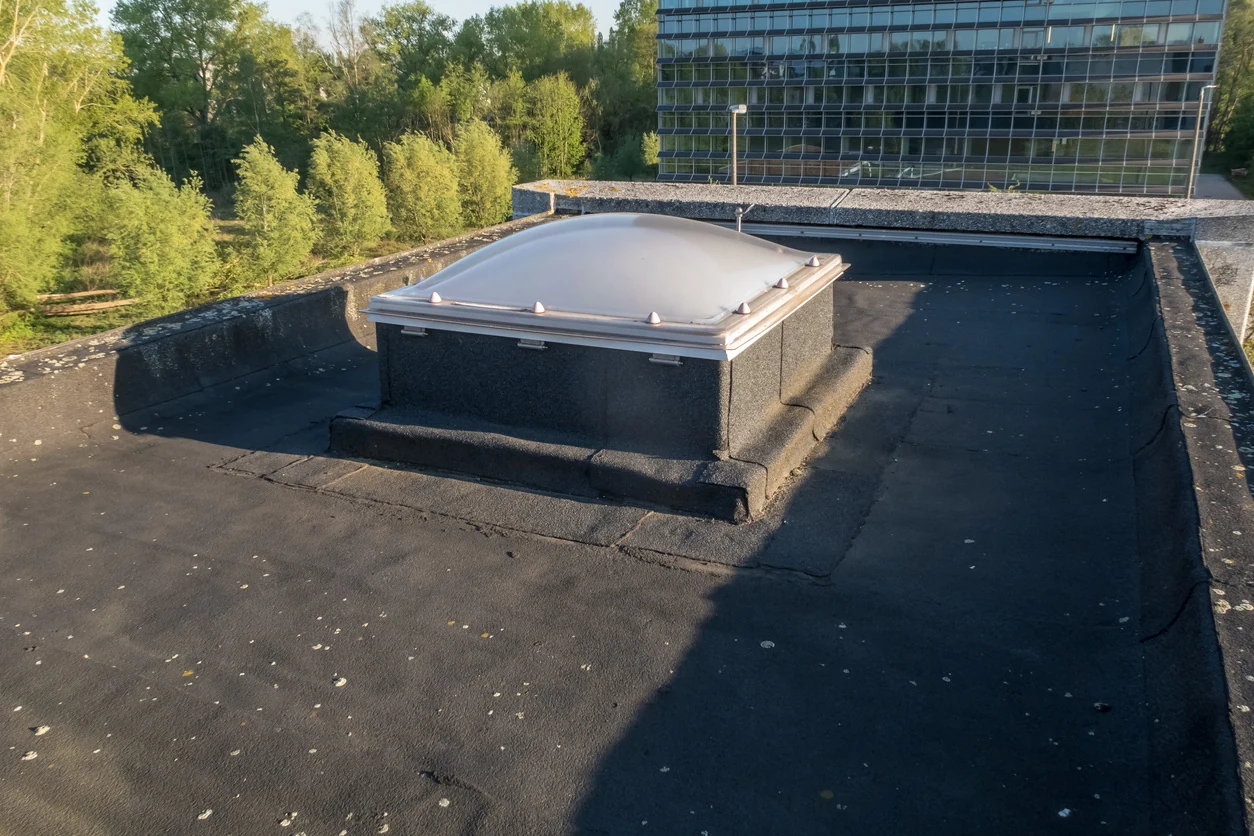
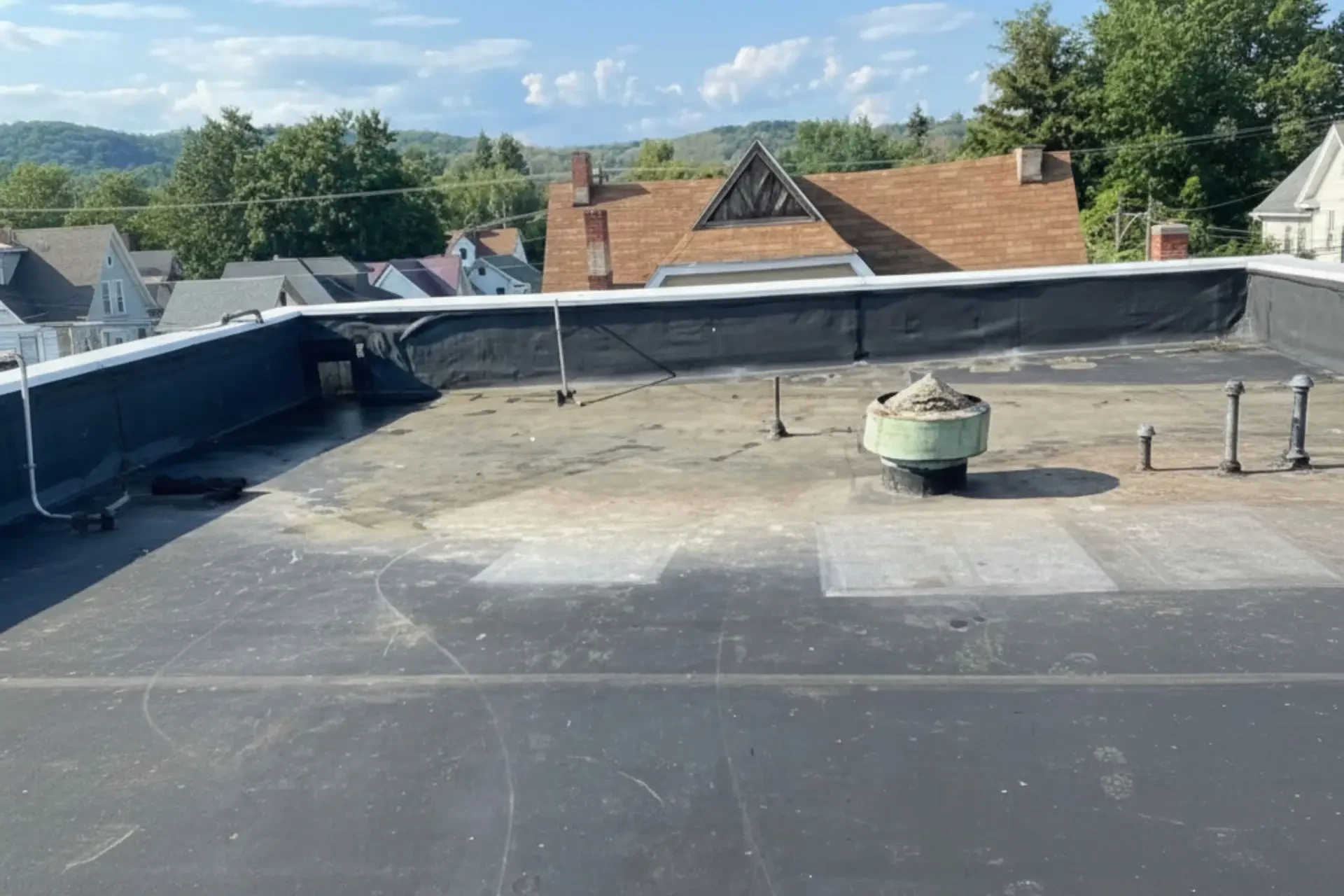
EPDM has been on Fox Valley industrial roofs longer than any other single-ply membrane, and a good share of the paper mill and converting plant buildings we service in Kaukauna, Kimberly, and Combined Locks still carry an EPDM roof from a prior generation of work. It's a synthetic rubber sheet, not a plastic membrane, and it behaves differently in both installation and repair.
Ballasted, Mechanically Attached, and Fully Adhered Systems
Large flat industrial roofs over paper converting buildings often take a ballasted EPDM system well, with river rock or paver ballast holding the membrane down instead of mechanical fasteners or adhesive across the whole field. That approach works when the roof structure can carry the extra dead load, which is something we check against the building's original design documents before recommending it.
Where ballast isn't an option, either because the structure can't take the weight or the roof has a slope that won't hold loose ballast in place, we go mechanically attached or fully adhered. Fully adhered EPDM gets specified more often now on lighter steel deck buildings where every extra pound of dead load matters.
Black vs. White EPDM on Industrial Roofs
Black EPDM is still the more common membrane color on the older mill-district buildings we work on, largely because it was the standard product for decades and matches what's already there for partial replacements. Black membrane absorbs more heat than a reflective TPO or white EPDM, which isn't always a downside in a climate with a long heating season, since some of that solar gain reduces winter heat loss through the roof assembly.
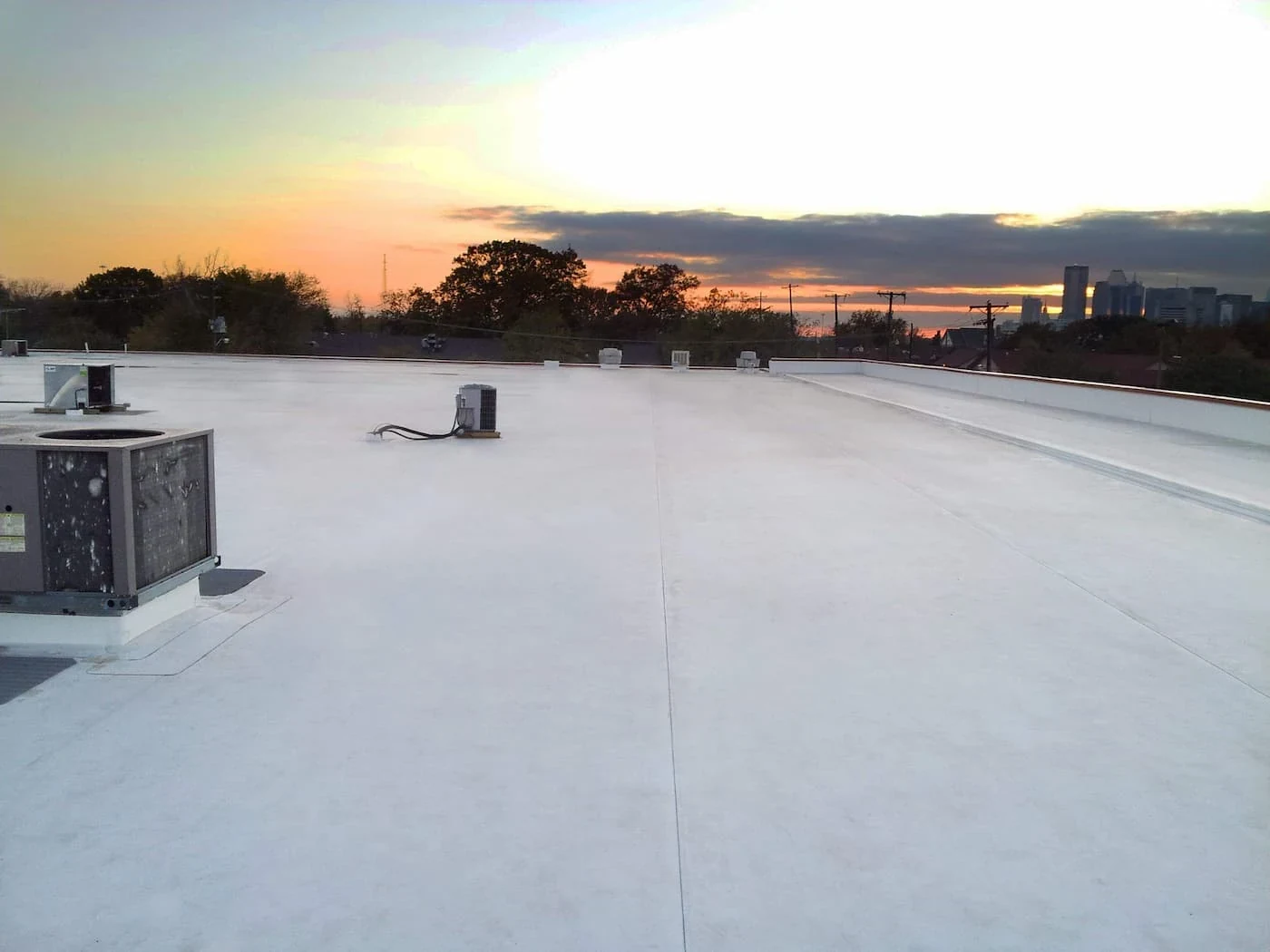
White EPDM is available and gets specified on buildings where cooling load matters more, such as occupied office space with EPDM roofing rather than industrial process buildings. We walk owners through that tradeoff rather than defaulting to one color without discussing the building's actual use.
Seaming: Tape, Adhesive, and Field Splices
EPDM seams aren't heat-welded the way TPO and PVC are. They rely on seam tape or liquid adhesive, and that seaming method is where most EPDM roof failures start, particularly on older roofs where the original seam tape has reached the end of its service life decades after installation. We inspect every field seam on an EPDM roof during any service call, not simply the area reported as leaking.
On repair work, matching seam tape chemistry to the existing membrane generation matters. Newer tape formulations don't always bond correctly to older EPDM sheet without proper primer, and skipping that step is a common cause of repair failures we get called out to fix a second time. We've re-done seam work on Kaukauna mill buildings where a prior repair used the wrong primer and lifted again within a single winter.
When EPDM Still Makes Sense for a Full Replacement
EPDM remains a reasonable choice for budget-driven full replacements on buildings without heavy chemical or grease exposure, particularly large industrial footprints where the lower material cost per square foot matters more than reflectivity. It's a poor fit for roofs near kitchen exhaust or solvent venting, where the membrane's lower chemical resistance compared to PVC becomes a real problem.
- Full tear-off and EPDM replacement
- Ballasted, mechanically attached, and fully adhered systems
- Black and white membrane options
- Seam repair and re-taping on existing EPDM roofs
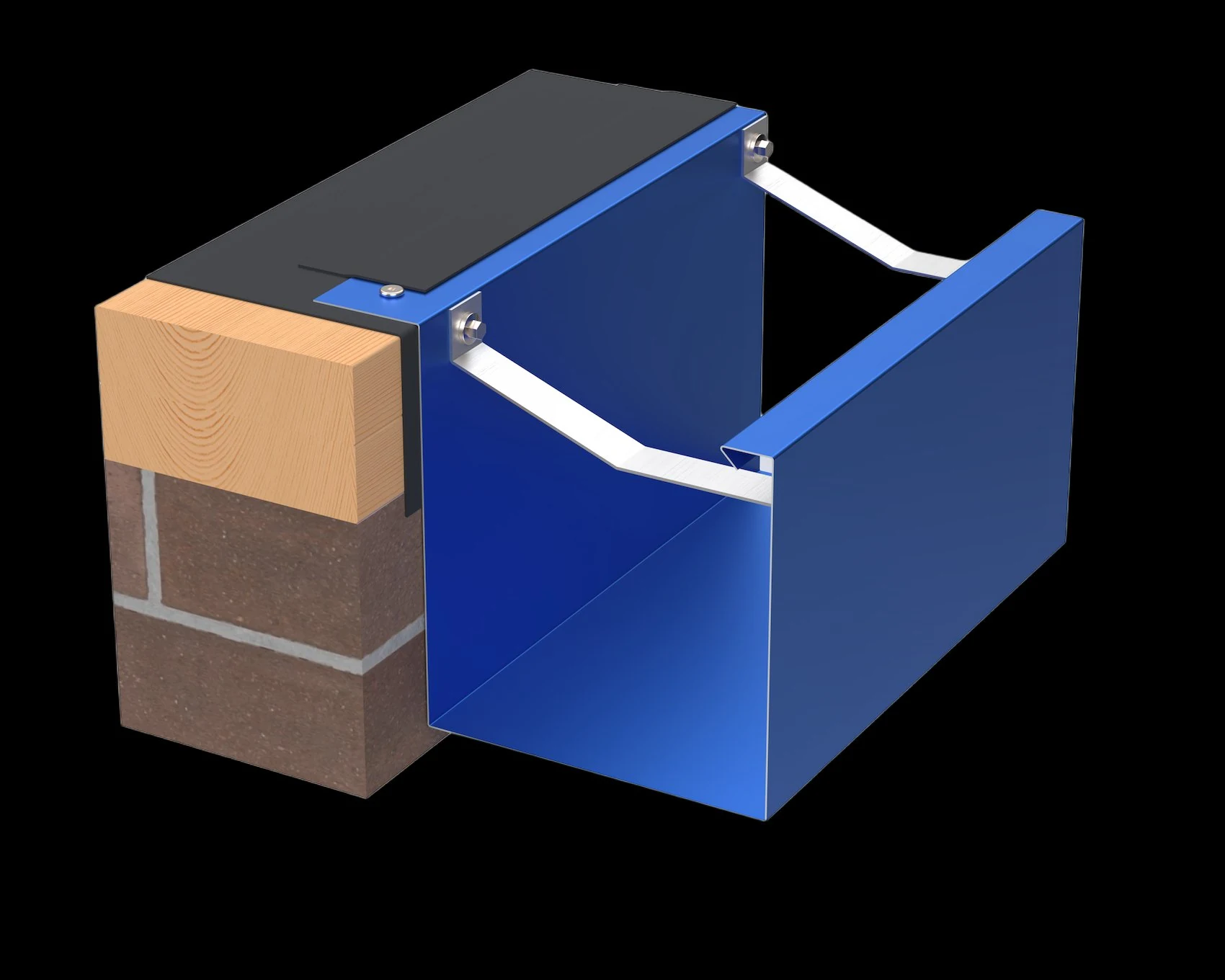
- Flashing detail replacement at parapets and penetrations
- Leak diagnosis on older multi-generation EPDM roofs
Fall Inspection Before the First Hard Freeze
We push owners toward an EPDM inspection every fall rather than waiting for a spring leak, since problems that start as a lifted seam edge in October tend to become a full leak by February once meltwater has had a season to work into the gap. This matters more on older roofs in Kaukauna and Kimberly where the membrane has already been through twenty or more freeze-thaw cycles.
Drain and scupper condition gets checked at the same visit. Ponding water sitting against a weak seam through a Wisconsin winter freeze-thaw cycle does more damage in a season than the same seam would take in a summer of standing water alone, since the ice itself works at the bond line.
What Fox Valley Owners Ask About EPDM
Is EPDM cheaper than TPO for a full replacement?
Material cost per square foot typically runs lower for EPDM, though the total project cost depends on insulation needs, deck condition, and attachment method as much as membrane choice.
Can you repair an EPDM roof without replacing the whole membrane?
In most cases yes, as long as the membrane itself hasn't degraded broadly. We check for widespread cracking or shrinkage before recommending a repair over a full section replacement.
How does ballasted EPDM handle Fox Valley wind?
Ballast weight and roof edge detailing both have to be sized to the building's actual wind exposure, which we calculate rather than using a standard rock depth across every roof regardless of height or location.
Do you match seam tape to the membrane's age?
Yes. We identify the existing EPDM generation and use compatible tape and primer rather than assuming any modern seam tape will bond correctly to older sheet.
Does EPDM work under rooftop solar or mechanical equipment?
It can, with added protection layers or walkway pads at contact points, though we evaluate the specific equipment load and service access pattern before finalizing that layout rather than assuming a standard pad spec fits every rooftop array.