
Roof Drains & Scuppers in Appleton, WI
Keeping Water Moving Off Low-Slope Fox Valley Roofs
Drainage is the single most overlooked factor in how long a low-slope roof actually lasts. A membrane rated for twenty years of service can lose most of that life in half the time if water sits on it season after season, and drainage problems are usually fixable long before they reach that point.
Internal Drains vs. Scuppers: Which Fits Which Roof
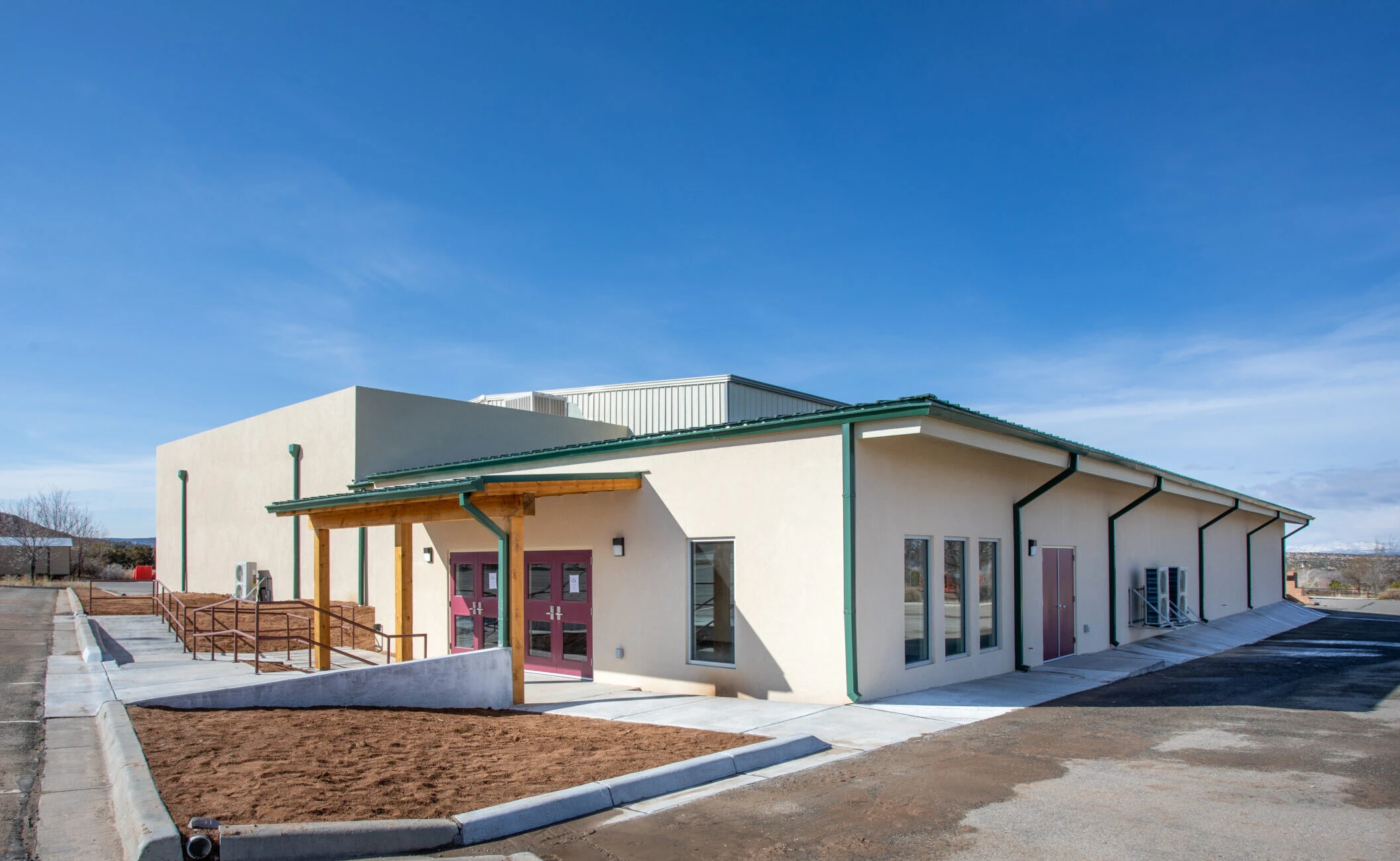
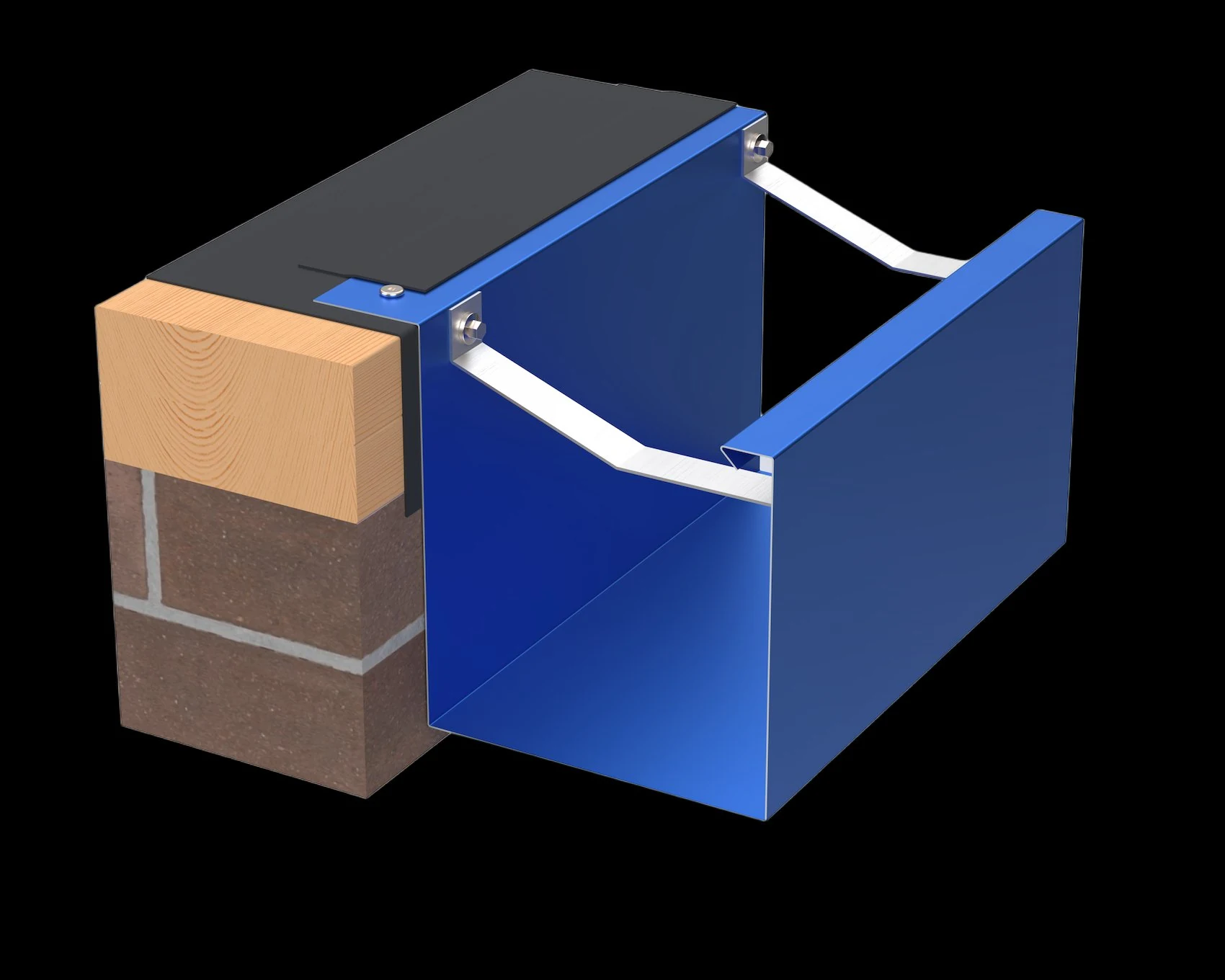
Internal drains run water down through the building's interior plumbing and work well on roofs with enough slope built into the insulation to direct water reliably to a handful of drain points. Scuppers, openings through the parapet wall that let water discharge to the outside, are the better fit on roofs without interior plumbing runs available or on additions where tying into existing interior drainage isn't practical.
A lot of the older buildings we service around downtown Appleton and Neenah use a mix of both, original interior drains supplemented by scuppers added during a later renovation, and we map the whole system before recommending changes rather than assuming a single drainage strategy fits the entire roof.
Why Drains Clog and What We Find Inside Them
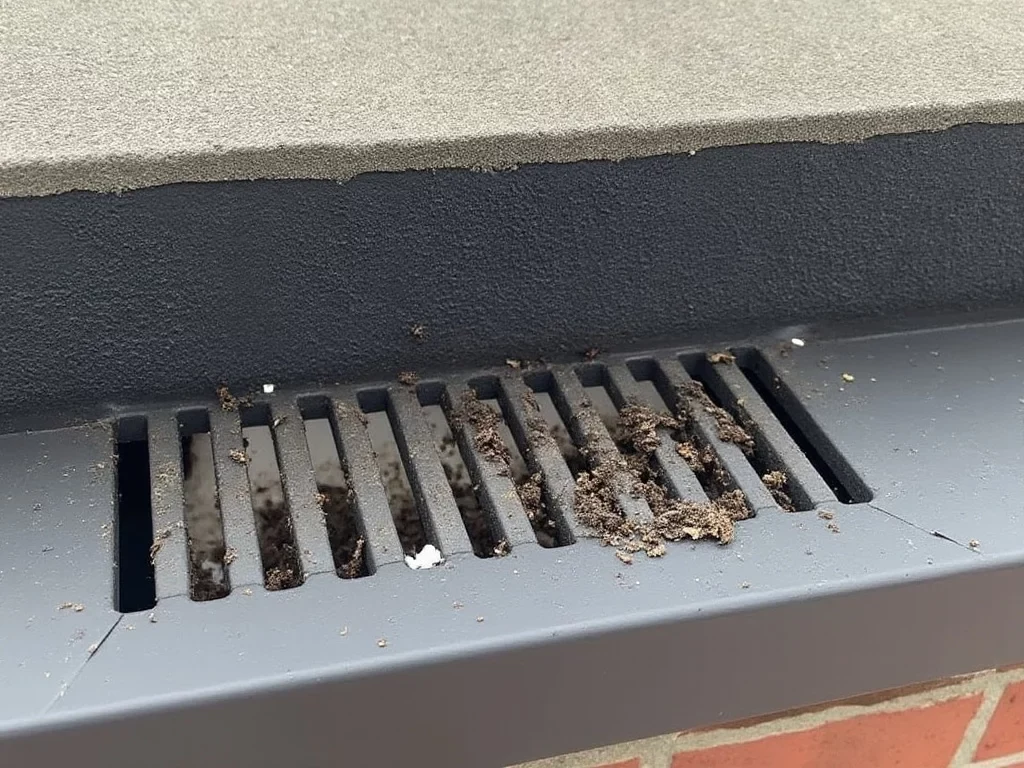
Roofing granules from an aging modified bitumen cap sheet, wind-blown leaves and debris, and even nesting material from birds are the most common culprits we find pulling drain strainers during maintenance visits. On industrial roofs near Kaukauna's paper mill district, we also see accumulated fiber and process residue that settles out of rooftop venting over time, which is a clog source most owners don't expect until we show them what came out of the drain bowl.
A partially clogged drain is often worse than a fully clogged one in practice, because it drains just well enough that nobody notices a problem until a heavy rain event overwhelms the reduced flow and water backs up faster than expected.
- Drain and scupper strainer clearing during scheduled maintenance
- Drain bowl and clamping ring inspection for proper seal
- Overflow scupper verification as secondary drainage backup
- Heat tape installation at drains prone to winter freeze
- Tapered insulation correction for chronic ponding areas
- Interior plumbing tie-in check on internal drain systems
Winter Freeze at Drain Bowls and Overflow Scuppers
A drain bowl that freezes solid during a Fox Valley cold snap stops draining entirely right when a January thaw needs it working most. We install heat tape at drains with a documented freeze history, wired to a controller rather than running continuously, since a drain that only needs help during actual freeze conditions doesn't need power running to it every night of the winter.
Overflow scuppers, set slightly higher than the primary drain, exist specifically as a backup for exactly this scenario, giving water somewhere to go if the primary drain is frozen or blocked. We verify overflow scuppers are actually functional rather than merely present during every drainage inspection, since a scupper opening that's been sealed over during a prior roofing project defeats the whole purpose of having one.
Ponding Water and What It Actually Costs a Membrane Over Time
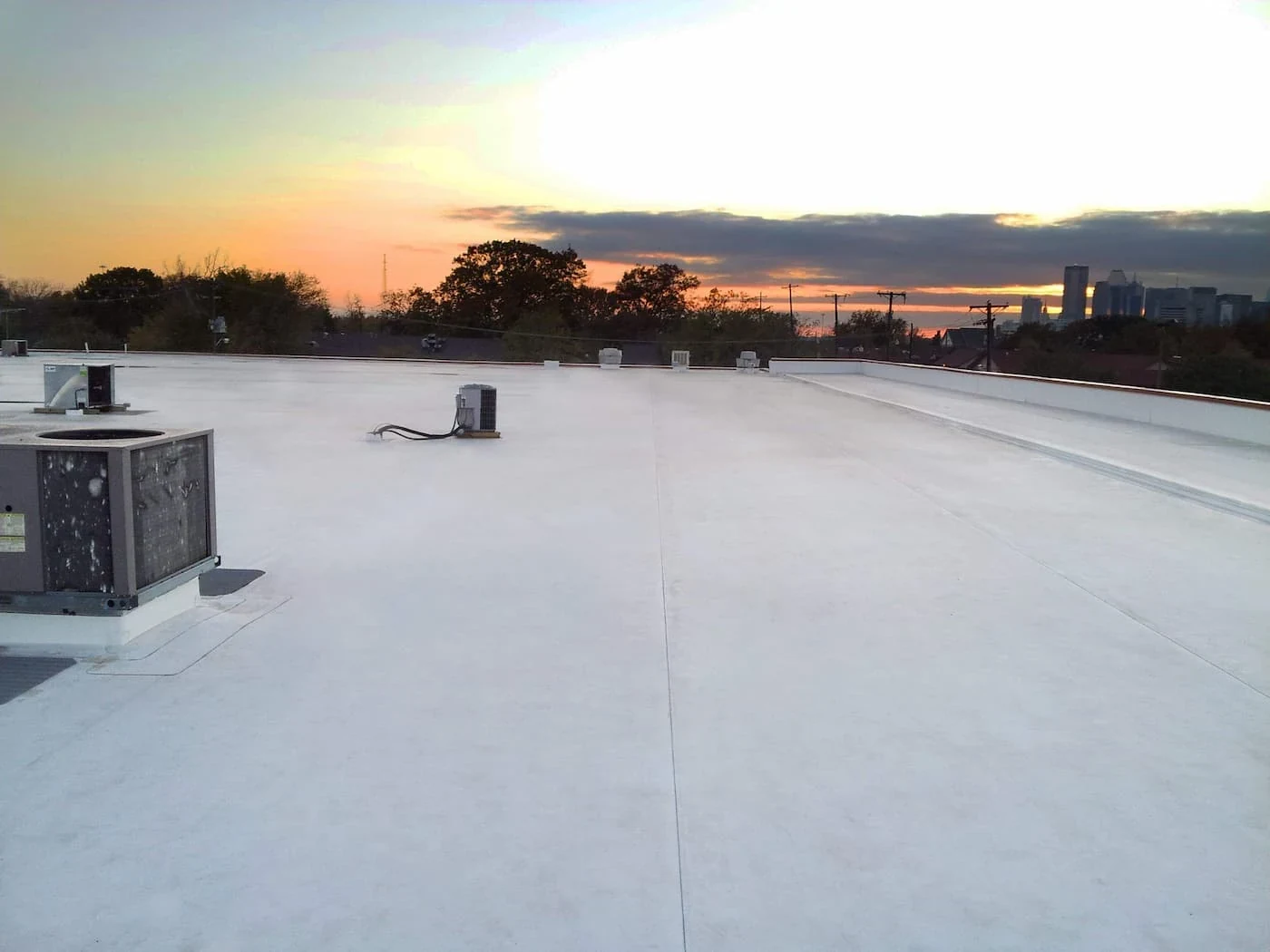
Standing water sitting on a membrane for more than 48 hours after a rain event accelerates UV breakdown at the ponded area, adds unplanned structural load, and puts sustained pressure on any seam sitting underneath it. In winter, that same ponding water freezes and expands directly against the membrane and any seam beneath it, which does more damage in one freeze-thaw cycle than the same standing water would cause in an entire summer.
We track ponding locations across multiple inspection visits rather than treating a single observation as conclusive, since some roofs pond briefly after heavy rain and drain down within the acceptable window, while others hold water well past it.
Correcting Drainage With Tapered Insulation
Where ponding is chronic rather than occasional, the real fix is usually tapered insulation that rebuilds slope toward the drains rather than another round of patching seams that keep failing under standing water. We design tapered insulation layouts around the roof's actual drain locations during any reroof or major recover project, correcting decades of accumulated low spots from repeated recover layers rather than replicating the same flat profile that caused the ponding in the first place.
Crickets, small tapered saddles built behind rooftop curbs and between closely spaced drains, handle the specific low spots a broader tapered insulation plan can't always reach on its own. We add these on a case-by-case basis where a single piece of rooftop equipment is creating a localized dead zone for drainage rather than assuming a general slope correction will clear every trouble spot on the roof.
Drainage Questions We Get on Older Fox Valley Roofs
How do I know if our roof has a drainage problem versus normal rain pooling?
Water that's gone within 48 hours of a rain event is generally acceptable. Standing water beyond that window, especially in the same recurring spots, points to a real drainage issue worth addressing.
Can you add scuppers to a roof that only has internal drains?
Yes, where the parapet wall allows it structurally, adding overflow scuppers as a secondary drainage path is a common upgrade on roofs with a history of drain clogging.
Does heat tape at drains run all winter?
We wire heat tape through a controller that activates during freeze conditions rather than running continuously, which extends the equipment's service life and controls energy cost.
Will tapered insulation fix ponding without a full reroof?
Sometimes, through a targeted tapered insulation overlay in the ponding area alone, though the right approach depends on the existing roof's condition and remaining service life.
How often should drains be cleared?
At minimum twice a year during scheduled maintenance visits, with additional clearing after major storms or heavy leaf-drop season depending on the site's surrounding trees.