
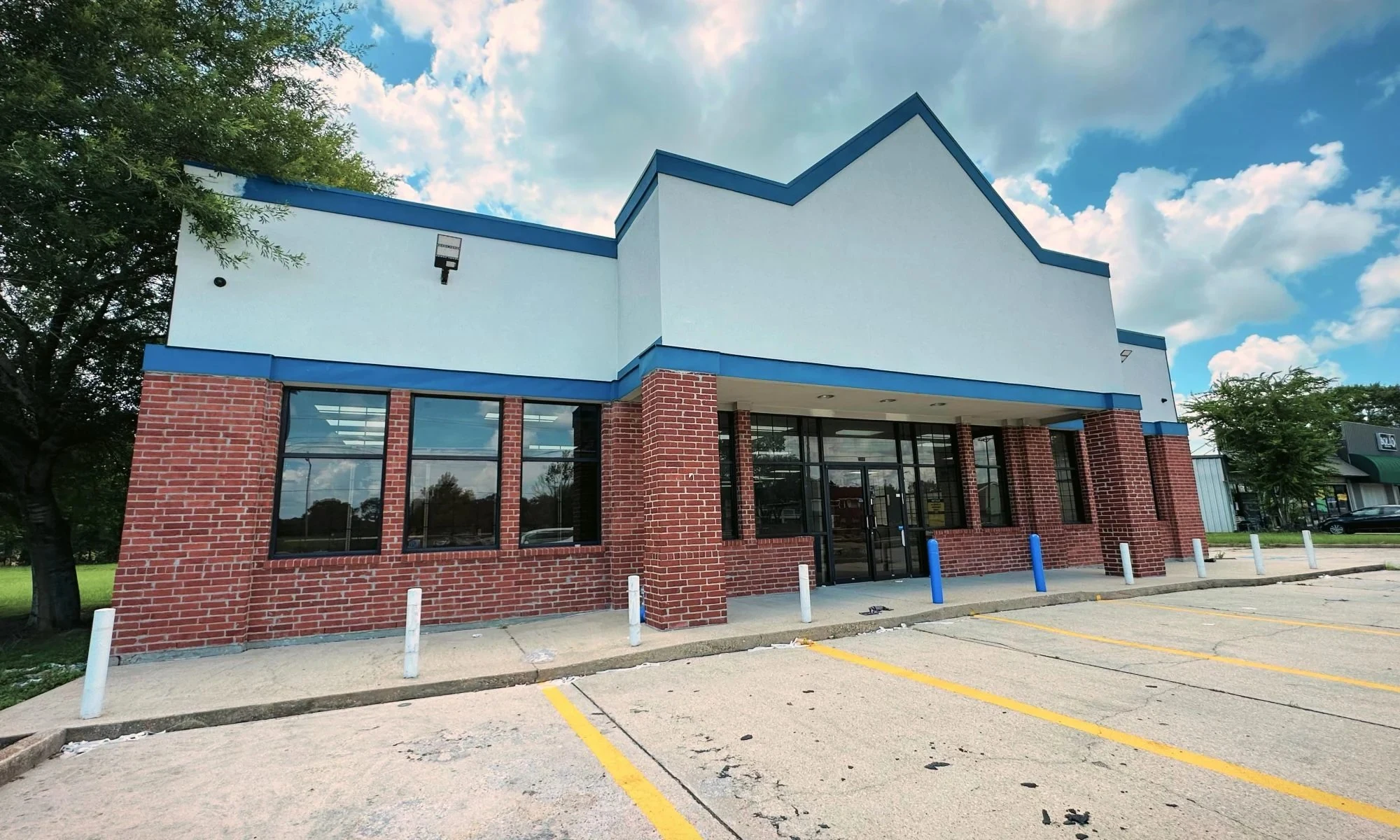
Manufacturing Plant Roofing in Appleton, WI
Manufacturing Plant Roof Systems for Fox Valley Paper and Converting Operations
The Fox River corridor from Kaukauna through Combined Locks, Kimberly, and Menasha still runs on paper. Converting plants, coating lines, and legacy mill buildings put roof decks through heat, steam, and process moisture that a warehouse roof never sees. We build and repair plant roofs around that reality instead of treating every low-slope building the same.
What Paper and Converting Plants Do to a Roof Deck
Paper machines and converting lines run hot and wet. Interior humidity in process areas routinely sits well above what a typical office or retail building carries, and that moisture drives upward through the deck toward the cold roof surface in winter. Without a properly placed vapor retarder, that vapor drive condenses inside the insulation, soaking polyiso boards from underneath and cutting their R-value long before the membrane ever shows a leak on the surface.
We size insulation and vapor control for the plant's actual interior condition, not a generic energy-code minimum. That means a dew-point calculation for the specific assembly, not a standard two-layer polyiso stack pulled from a spec book. On steel deck over process areas, we also check deck condition for corrosion from below before committing to a new membrane above it.
Membrane Selection for Converting and Coating Operations
TPO and EPDM cover most straightforward plant roofs well, but converting operations that handle solvents, adhesives, or petroleum-based coatings change the calculus. PVC's chemical makeup resists plasticizer migration and holds up better where rooftop exhaust from coating or laminating lines can deposit residue near vents and fans. On a straight paper-storage or warehouse-adjacent roof without that exposure, TPO's heat-welded seams and lower material cost usually make more sense.
We also look at seam chemistry against existing rooftop grease and exhaust buildup on older mill buildings. A membrane that welds clean in a lab doesn't always weld clean over twenty years of accumulated residue, so surface prep gets more attention on active plant roofs than it does on a bare warehouse deck.
Rooftop Equipment on Kaukauna and Combined Locks Mill Roofs
Working plant roofs in this corridor carry more penetrations and more foot traffic than almost any other commercial building type. Every curb, stack, and catwalk is a place water finds a way in if it's flashed wrong or if the membrane around it wasn't detailed for repeated maintenance access. We plan flashing details around what's actually on the roof, including:
- Steam and process exhaust stacks with high-temperature boot flashings
- Dust collector and baghouse curbs, often oversized and heavy
- Catwalks and permanent ladders for daily maintenance access
- Multiple RTU curbs serving separate process zones on one roof
- Roof-mounted conduit racks and cable trays between electrical rooms
- Snow guards and drift barriers below taller adjacent process buildings
Wind Uplift and Fastening Patterns for Open Country Exposure
Plants sited toward Freedom, Hortonville, and Seymour sit in open farmland with fewer windbreaks than a downtown Appleton block. That pushes exposure category and wind-uplift design pressures higher, especially at roof corners and the perimeter zones nearest tall equipment screens. We calculate fastening density by zone rather than applying one pattern across the whole field, with tighter spacing at corners where uplift pressure concentrates.
Mechanically attached systems get fastener patterns matched to deck type and gauge, verified against pull-out testing on older steel decks that have seen decades of thermal cycling. Fully adhered systems get substrate prep checked for the same reason, since a bonded membrane is only as good as the deck surface underneath it.
Freeze-Thaw Cycling and Snow Load on Long-Span Roofs
Wisconsin winters put every plant roof through repeated freeze-thaw cycles, and mill buildings with tall process structures next to lower adjoining roofs collect wind-driven snow drift on those lower sections. That drift load concentrates stress on decking that wasn't always designed for it, particularly on additions built onto older mill footprints over the years. We check drift zones against structural capacity before recommending anything heavier than the existing assembly, including reflective coatings that add reflectivity without adding dead load.
Ice damming shows up most at parapet transitions and at roof-to-wall junctions on multi-level plant roofs, where meltwater from a warmer interior refreezes at a cold edge. Edge metal and coping details get built to shed that water rather than trap it against the wall.
Plant Roofing Questions We Hear From Fox Valley Facility Managers
Can we reroof over an existing membrane on an active mill roof?
Sometimes. A recover works when the existing insulation is dry and the deck is sound, but plant roofs with a history of vapor drive from below often fail that test. We check moisture content in the existing assembly before recommending recover over tear-off.
How do you handle access for crews servicing steam stacks and vents?
We build in walkway pads and reinforced curb flashings at every point maintenance staff cross regularly, so foot traffic doesn't wear through the membrane around penetrations that get serviced weekly.
Does interior plant humidity change which insulation you specify?
It can. High-humidity process areas need vapor retarder placement calculated for that specific dew point, not a standard assembly. We run the numbers per building rather than assuming one answer fits every plant.
What membrane holds up best near solvent or coating exhaust?
PVC generally resists plasticizer migration and chemical exposure better than TPO or EPDM in that environment. We match membrane chemistry to what's actually venting onto the roof, not simply to upfront cost.
Can work happen without shutting down production?
Usually. We phase sections and schedule around production shifts where possible, coordinating with plant staff so process areas stay covered and dry while work moves across the roof in stages.